
When Skincare Isn't Enough for Menopausal Skin
By Simon MitchellQuick Summary:
Daily skincare reaches a real ceiling for menopausal skin. Surface texture, fine lines, mild redness, dryness and gradual pigmentation usually sit within what a consistent peptide-led routine can support. Deeper dynamic lines, lost facial volume, jawline laxity and stubborn structural change typically sit beyond it. Knowing the difference helps you decide when to stay the course at home and when a cosmetic doctor visit is worth booking. Results vary.
You were in the David Jones beauty hall on a Saturday morning and a friend you had not seen since Christmas walked past, looked five years younger, and you spent the next hour wondering what she had done that you had not. Your routine had not changed. The line between your brows had. The cheek that used to sit forward had drifted down toward your jaw.
You are working through this while also navigating sleep that breaks at 3am, energy that runs flat by 2pm, and a body that no longer responds to the same effort. The good news is there is a useful way to tell when daily care is doing all it reasonably can, and when something else is worth a conversation.
Why More Women Over 45 Are Asking If Their Skincare Is Enough
Two things tip this question to the top of the list. Research in Maturitas by Lephart describes how the first five years after estrogen falls bring around a 30 percent drop in collagen, a parallel fall in barrier lipids, and slower turnover at the surface. Skin that responded easily at 40 now lags behind the same routine. At the same time, friends in their fifties are openly discussing anti-wrinkle injections, fillers and skin needling at school pickup. Our pillar piece on skincare and clinic care after menopause covers the full framework. This post is about the decision moment itself.
What Daily Skincare Realistically Achieves for Menopausal Skin
Daily skincare works on the layers it can reach. Research in Frontiers in Pharmacology by Errante and colleagues describes how cosmetic peptides act as signalling molecules in the upper dermis, supporting normal collagen, elastin and hyaluronic acid maintenance. A consistent peptide-led routine with daily SPF can soften surface texture, settle reactivity, ease pigmentation, support the barrier and maintain what you have. Most women see meaningful change in 8 to 12 weeks. What it cannot do is reach the structural layers. It cannot remove a dynamic line shaped by years of muscle movement, replace facial fat lost to time, or lift loose tissue. These are not failures. They are the boundary where daily care quietly passes the baton.
Signs Your Skincare Has Reached Its Ceiling for Mature Skin
There are four reliable signals that a routine is doing its job and a different layer of the picture is the next conversation.
The 12-week test has passed and the concern is still there. If you have been consistent with a peptide-led routine and SPF for 12 weeks and a specific concern has not shifted, it probably sits at a layer skincare cannot reach.
The line is deeper at rest than in motion. Lines that sit deep on a relaxed face are usually static lines tied to collagen loss or dynamic lines set in over years. Peptide skincare softens the surface; the line itself is often a cosmetic doctor conversation.
Tissue is sitting in a new place. Jowls, marionette lines, the cheek that has settled lower. Our posts on jowls and marionette lines after menopause and loss of jawline definition walk through this. Skincare supports the surface; it cannot reposition the layer underneath.
You have lost facial volume. Cheeks that look flatter, lips thinner, temples hollowed. Research in Plastic and Reconstructive Surgery by Pessa describes the bone and fat compartment changes driving this picture. No cream replaces lost volume.
How to Tell Surface Concerns from Structural Concerns After 45
Most concerns sit cleanly in one of four groups. The decision becomes easier when you can name which group you are in.
Surface concerns (daily skincare can address)
Fine lines, mild dryness, mild redness, surface texture, gradual pigmentation, makeup-sitting-on-top moments. Timeframe: 4 to 12 weeks of consistency. A peptide-led routine with daily SPF is the right tool.
Mid-range concerns (worth a professional opinion alongside skincare)
Stubborn pigmentation after 12 weeks, possible melasma, broken capillaries, persistent redness, mild laxity. A one-off cosmetic doctor or skin specialist consultation can help you decide whether to add a targeted in-clinic step.
Structural concerns (cosmetic doctor visit is the right next step)
Deep dynamic lines, lost volume in cheeks or lips, jawline laxity, hooded eyelids, deep marionette lines. See our pieces on hooded eyelids in menopause and lip volume loss after menopause.
Urgent concerns (book your GP or skin specialist first)
A new or changing mole, an unhealing patch, sudden severe sensitivity, anything painful. These are doctor conversations before they are skincare conversations.
Where Genova Fits If You Are Still on the Daily-Care Side for Menopausal Skin
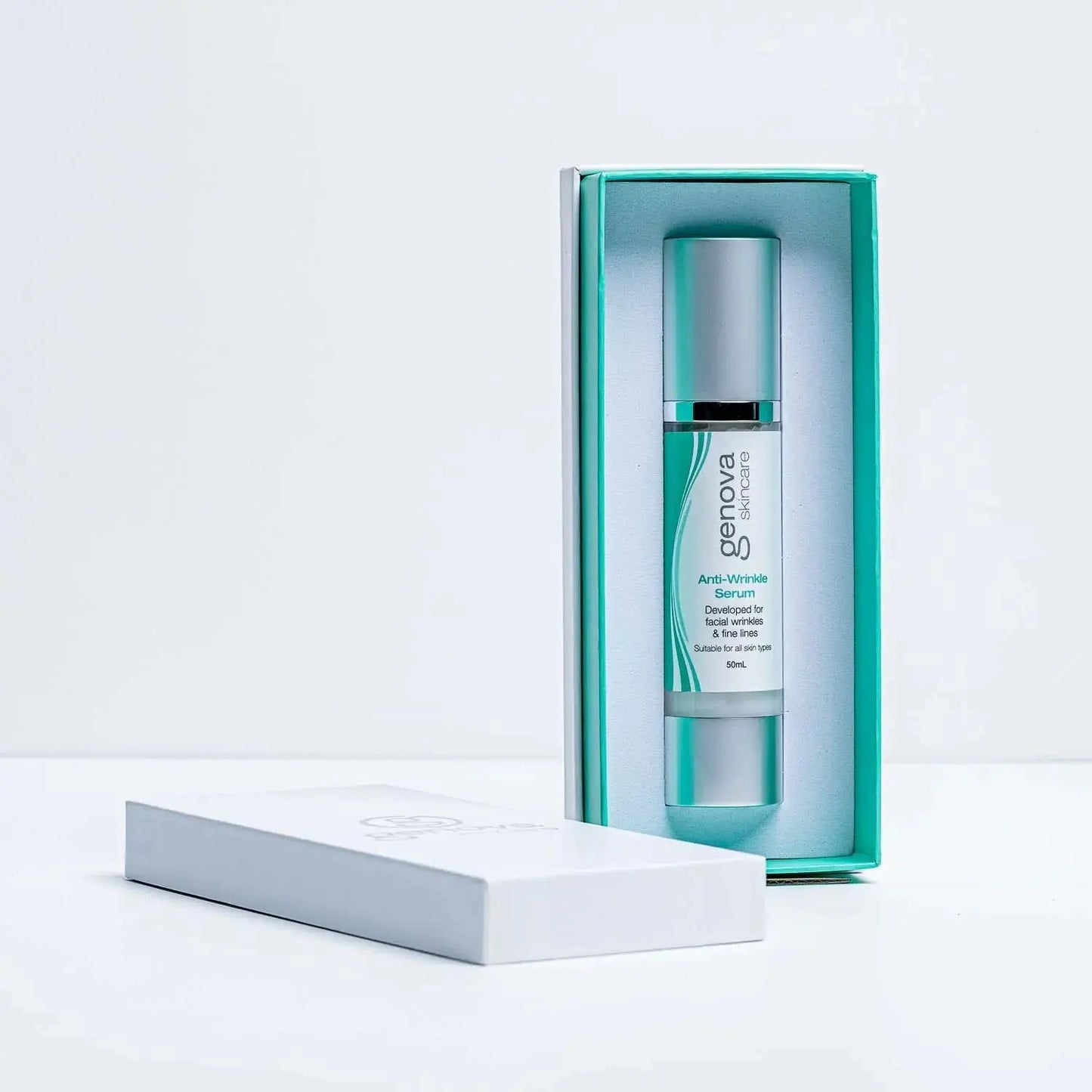
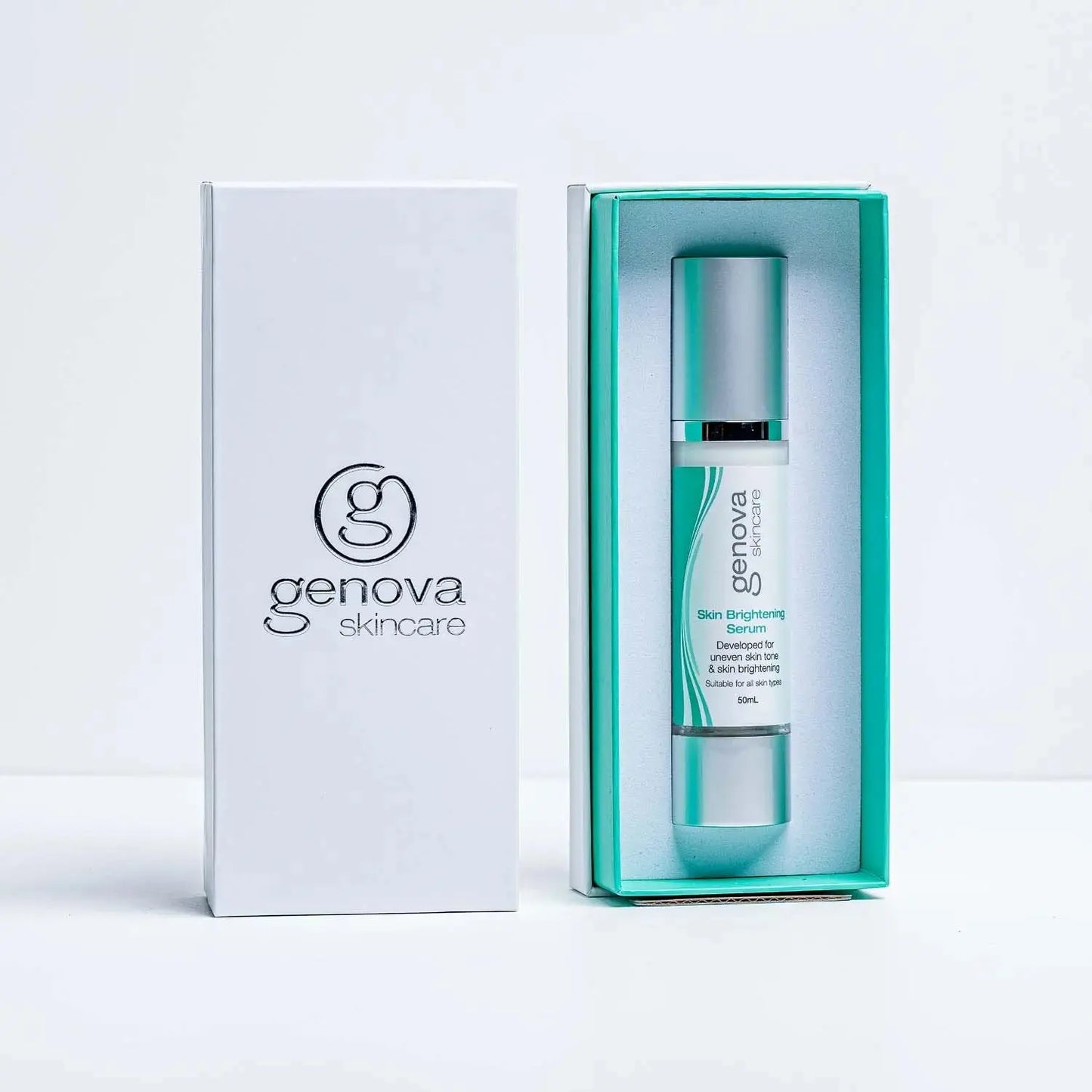
If your concerns sit in the surface or mid-range group, daily care is still your most useful spend. Genova is built for this layer, formulated in Australia for women over 45. The Genova Firming Cream uses Serilesine and Nocturshape to support collagen signalling and barrier integrity. The Anti-Wrinkle Serum uses peptide actives for menopausal collagen support. The Red Active Serum settles reactivity, and the Active Foaming Cleanser keeps the surface clear without stripping. Australian-made under strict quality-control standards. For the structured version, see The Menopause Skin Reset.
Realistic Expectations: A consistent peptide-led routine with daily SPF will hold and gradually support surface and mid-range concerns over 8 to 12 weeks. It will not lift structural laxity, remove muscle-driven lines or replace lost volume. The aim is not to push you toward a clinic. It is to stop you spending on skincare for a problem skincare cannot reach. Results vary.
Strengths of staying with daily skincare alone for mature skin
- Lowest ongoing cost, slowest cumulative gain
- Builds the surface and barrier your skin will rely on at any age
- Protects the gains of clinic care if and when you choose it later
- No downtime, no needles, no appointment book
Limitations of staying with daily skincare alone for menopausal skin
- Cannot reach the structural layer driving deep lines, volume loss or laxity
- Will not produce dramatic visible change
- Asks for consistency before it returns the gain
- Cannot stand in for a doctor opinion on stubborn pigment, persistent redness or anything new
Who Should Book a Cosmetic Doctor Visit After Menopause
It may suit you to keep daily skincare as your primary spend if:
- Your concerns are surface texture, fine lines, mild redness, dryness or gradual pigmentation
- You have not yet given a peptide-led routine 12 consistent weeks
- You prefer a slow, layered approach over visible structural change
A cosmetic doctor consultation is worth booking if:
- A specific concern has not shifted after 12 weeks of consistent daily care
- Your concerns sit at the structural layer (volume, laxity, deep dynamic lines)
- You have stubborn pigmentation, possible melasma or persistent redness
- You want a one-off opinion to know whether you are spending on the right layer
How to Approach the Cosmetic Doctor Conversation After 45
- Give your daily routine 12 weeks of consistency first. You will know your true baseline.
- Photograph your face in even daylight at week 1 and week 12. Memory drifts; photos do not.
- Name your top two concerns specifically before you book. "My jawline has softened" is more useful than "I want to look better."
- Ask a cosmetic doctor for a layered plan, not a single procedure. The best plans pair daily care with one or two targeted in-clinic steps.
- Decide on a budget before the appointment, not during it. The right cosmetic doctor will work within it.
Common Questions About When Skincare Isn't Enough for Mature Skin
How long should I give my skincare before deciding it isn't enough?
Twelve weeks of consistency is the standard window for surface change on menopausal skin. If a specific concern has not shifted by then, it usually sits beyond what daily care can reach.
Is it normal to want clinic care after 50 if my skincare is working?
Yes, and it does not mean your skincare has failed. Many women find their routine holds surface concerns well while structural concerns drift on a different timeline. The two work on different layers.
Will starting clinic care mean I can stop using skincare?
No. Anti-wrinkle injections, fillers and energy-based options work on layers daily skincare cannot reach, and daily skincare works on layers they cannot reach. Maintaining the surface protects clinic gains between visits.
What kind of cosmetic doctor should I see after menopause?
A qualified cosmetic doctor, plastic surgeon or skin specialist with experience in mature skin. Ask about menopausal patients specifically; experienced clinicians adjust for thinner skin and slower recovery.
Is there a way to tell if a concern is surface or structural before I book?
Push gently on the area with one finger. Surface concerns lift visibly with that pressure; structural concerns barely shift. A rough guide, not a diagnosis, but it helps frame the conversation.
How much should I expect to spend on a first cosmetic doctor visit?
A consultation in Australia typically runs $100 to $250 and includes a plan and an estimate for any recommended procedures. The cost is often deducted from a procedure booked at the same visit.
References
Lephart, ED. 2018. A review of menopause-related skin changes and supporting skin biology after estrogen decline. Maturitas.
Errante, F. et al. 2020. Cosmeceutical peptides in the framework of sustainable wellness. Frontiers in Pharmacology.
Pessa, JE. 2014. SOOF lift and the facial fat compartments. Plastic and Reconstructive Surgery.
If you are reading this at the end of a long week, please know none of this has to be decided today. The most useful first step is rarely the most expensive. Give your routine the twelve weeks. Photograph the change you actually see. From there, the answer to whether a cosmetic doctor visit is part of your plan becomes much clearer, much less loaded, and easier to live with either way. The Genova Firming Cream is built for the daily layer that this decision rests on.
This article is for general information only. Results from cosmetic skincare and in-clinic care vary with individual skin, age, and consistency. Genova Skincare is not a substitute for advice from your GP, cosmetic doctor or skin specialist. If you have a confirmed skin condition or are considering in-clinic care, please consult a qualified specialist.