
Menopausal Skin After 45: Doctor vs Skincare Decisions
Menopausal skin questions fall into two lanes. Some belong with your doctor: HRT and medication decisions, new or changing spots, persistent rashes, severe acne or flushing. Others belong in your bathroom: choosing products that suit a changed barrier, building a routine, and the daily habits that show on your face. This guide sorts the most common questions after 45 into the right lane, and points you to where to start for each. If your concern is new, painful, bleeding, spreading or medically unexplained, start with your GP. If your concern is dryness, texture, dullness, sensitivity or routine confusion, start with your skincare routine.

Somewhere in the last year you have probably stood in front of a mirror with a question and no idea who it was for. Is this dryness a skincare problem or a hormone problem? Is this spot just an age spot? Would the doctor laugh if I booked an appointment about my face?
The questions feel like one big tangle because they arrive together. They are not one tangle. They are two lanes, and knowing which lane a question belongs in saves money in one direction and protects your health in the other.
Why Menopausal Skin Questions After 45 Need Two Different Answers
Falling estrogen changes skin through several systems at once. Research published in Maturitas by Lephart describes reduced collagen production, slower cell turnover and weaker water retention, while a 2022 study in Scientific Reports by Kendall and colleagues showed menopause changes the barrier's ceramide profile itself.
Some of what follows is medical territory: prescriptions, diagnoses, procedures, anything that needs a qualified eye. Some of it is daily territory: the cleanser, the serum, the SPF, the sleep, the wine. Mixing the lanes up causes the two most common mistakes we hear about: spending months on creams for something that needed a GP appointment, or sitting in a GP's office asking about something a routine change would have settled.
A Simple Rule for Sorting Menopausal Skin Questions
If the question involves a diagnosis, a prescription, a procedure, or a change that is new, painful, bleeding or spreading, it is a doctor question. If it involves a product, a routine, or a daily habit, it is a bathroom question. When in doubt, doctor first: a ten-minute appointment is cheap insurance, and the routine will still be there afterwards.
| What you're noticing | Which lane | Where to start |
|---|---|---|
| Considering HRT, or wondering if it helps skin | Doctor | GP or menopause specialist |
| New, changing or irregular spots or moles | Doctor | GP or skin-check clinic, promptly |
| Painful, cystic or scarring acne | Doctor | GP; routine supports alongside |
| Persistent rash, cracking or bleeding skin | Doctor | GP |
| Face changes during medical weight loss | Doctor + bathroom | Prescriber on pace; routine for the surface |
| Dryness, tightness, products that suddenly sting | Bathroom | Barrier repair and a gentler routine |
| Dullness, rough texture, early lines | Bathroom | Peptide-led routine and daily SPF |
| Skin that reads tired, puffy or flushed | Bathroom | Sleep, movement, alcohol and stress habits |
Lane One: Menopausal Skin Decisions That Belong With Your Doctor
These guides explain what each medical conversation covers, what the evidence says, and what to ask, so you arrive informed rather than anxious. None of them replaces the appointment.
Hormones and medication. Our guide to HRT and menopausal skin covers what hormone therapy may and may not change, and why no Australian guideline supports starting it for skin alone. If you are losing weight on a GLP-1 medication, Ozempic face after menopause explains what is happening and which parts belong with your prescriber.
Things that need a qualified eye. Any new or changing spot needs a skin check before any cream touches it. After an excision, scar care after skin cancer or mole removal covers what helps once stitches are out. For breakouts that are painful or scarring, menopausal acne causes and treatments explains when prescription options enter the picture, and hormonal hair changes covers the doctor-led end of thinning hair and facial hair.
Procedures. If pigmentation bothers you beyond what topicals achieve, peels, lasers and IPL for age spots sets out what in-clinic options do, their risks, and who should avoid them.
Lane Two: Menopausal Skin Choices That Belong in Your Bathroom
Everything in this lane is yours to control, and it follows a natural order: choose well, build the routine, then let daily habits do their slower work.
Choosing products for a changed barrier. Start with how to choose menopause skincare that actually works, then the six ingredients that matter and the red flags to avoid when buying. Mineral vs chemical sunscreen settles the SPF question for reactive skin.
Building the routine. If your skin is reactive or your products suddenly sting, begin with barrier repair or the 14-day sensitive skin reset. For a structured start, the 12-week menopause skin reset introduces a peptide-led routine in calm phases, switching from retinol to peptides covers the most common transition, and peptide results by month shows what to expect and when.
Daily habits that show on your face. The same skin responds to sleep, movement and alcohol, and to the stress pattern behind cortisol face.
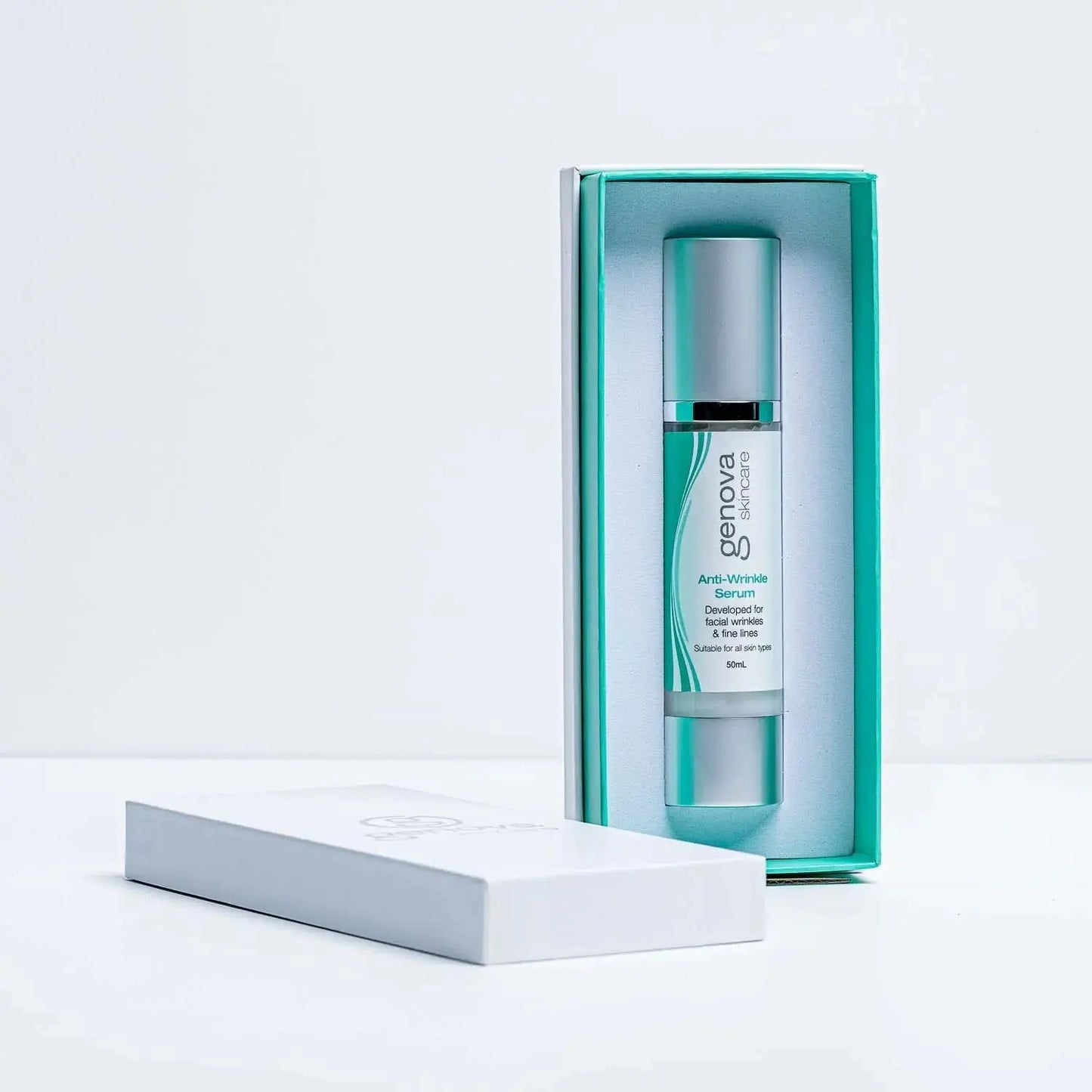
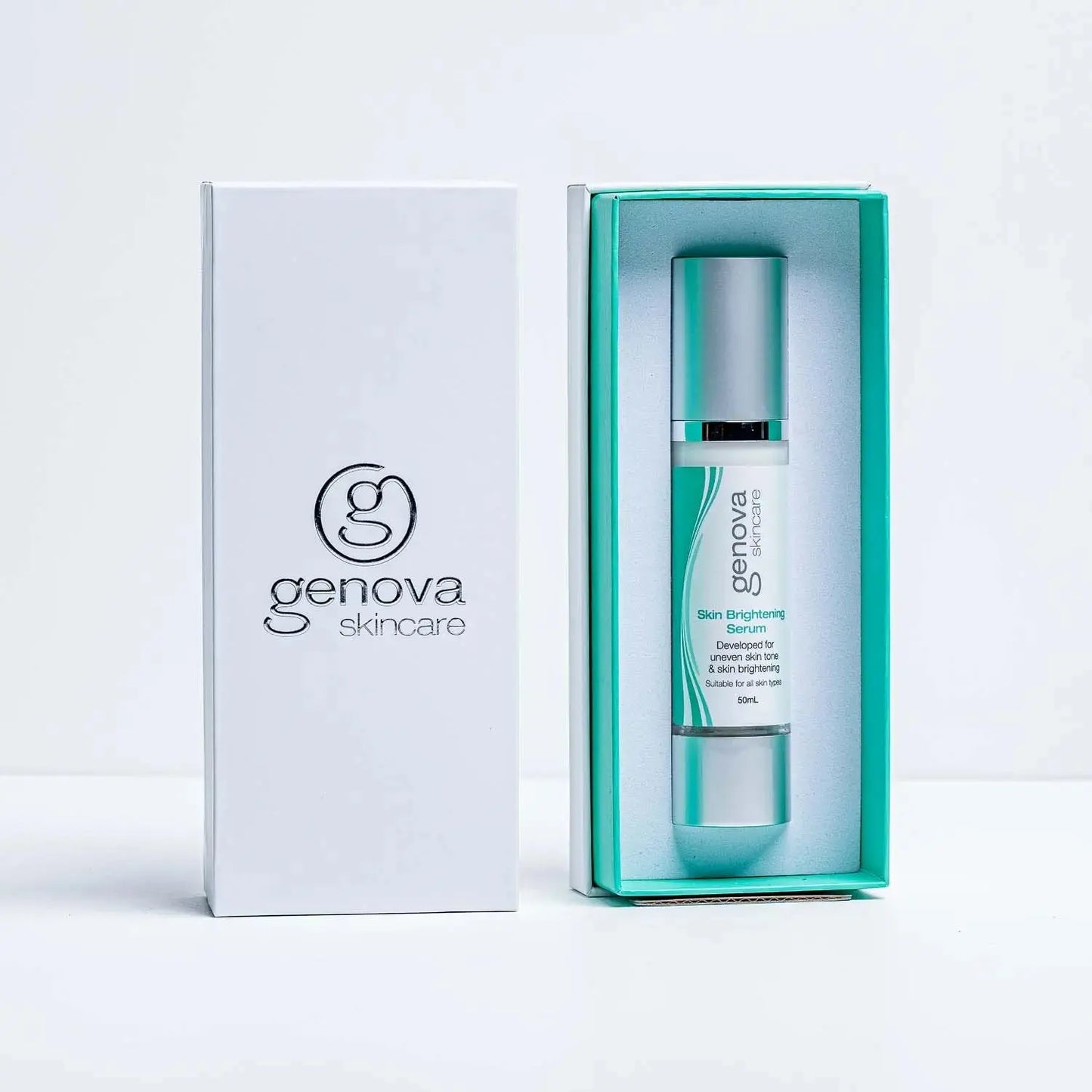
Genova's range sits in this second lane by design: a non-stripping cleanser, a peptide serum and a barrier-supporting firming cream, all Australian-made for menopausal skin, and all cosmetic rather than medical. They are one evidence-based option for the bathroom lane, never a substitute for the doctor lane.


Sorting your questions into the right lane will not change your skin by itself. The bathroom lane typically shows results over 8 to 12 weeks of consistency; the doctor lane moves at the pace of appointments and, where relevant, prescriptions. Results vary in both. No routine replaces a medical opinion, and no medical treatment removes the need for daily care.
How to Use This Pathway: Step by Step
- Write your skin concerns down. All of them, including the ones that feel too small for a doctor.
- Sort each one with the rule above. Diagnosis, prescription, procedure, or new-painful-bleeding-spreading: doctor. Product, routine, habit: bathroom.
- Book the doctor items first. Take the list with you; the full picture matters more than any single symptom.
- Start the bathroom items the same week. The two lanes run in parallel, not in sequence.
- Review at 12 weeks. Anything in the bathroom lane that has not budged may be worth moving to the doctor list.
Who This Pathway May Suit
- You are 45 to 65 and unsure whether a skin change is medical or cosmetic
- You have been spending on products for something that may need a GP
- You want a starting point into a large library of menopausal skin guides
- A spot or mole is new, changing, bleeding or irregular
- A rash, cracking or burning has persisted for more than two weeks
- Menopausal symptoms themselves, flushes, sleep, mood, are the real burden
Frequently Asked Questions About Doctor vs Skincare Decisions
Should I see a GP or a dermatologist first?
In Australia, your GP is the right first step. They handle skin checks, menopause conversations and prescriptions, and refer you to a dermatologist when a specialist eye is needed.
Can skincare fix hormonal skin changes?
It can support the surface those changes show through: hydration, barrier comfort, texture and firmness over 8 to 12 weeks. It cannot replace estrogen or treat a medical condition.
Is it worth booking a GP appointment just about skin?
Yes. Skin checks save lives in Australia, and GPs treat menopausal symptoms every day. No reasonable doctor considers a skin concern too small to raise.
What if I'm already on HRT?
The bathroom lane still applies. HRT may support hydration and barrier comfort, but daily skincare and SPF do different work. Our HRT and skin guide covers the evidence.
Where do supplements fit?
At the boundary. They are a daily choice, but they can interact with medications, so mention them to your GP, especially during menopause when prescriptions may be changing.
The tangle in front of the mirror is really just two lists that arrived at the same time. One belongs in a GP's consulting room, one belongs on a bathroom shelf, and neither is a substitute for the other. Sort them once, and every question after that gets easier.
Still Not Sure Which Lane You’re In?
Start with the doctor lane if the change is new, persistent, painful, bleeding, spreading or worrying you. Once anything medical has been checked, the bathroom lane becomes much clearer.
For bathroom-lane concerns such as dryness, tightness, dullness, texture and visible loss of firmness, the Ageing Skin Care Package gives you a structured starting routine rather than another random product purchase.
Start the bathroom lane with a structured routine
The Ageing Skin Care Package brings the bathroom-lane essentials together in one routine, instead of another random product purchase.

A structured starting routine for dryness, texture, dullness and loss of firmness. Australian made, non-hormonal and cosmetic.
Australian made and owned. Free Australian shipping on orders $50 or more.
References
Lephart, E. D. (2018). A review of the role of estrogen in dermal aging and facial attractiveness in women. Maturitas, 109, 18-25.
Kendall, A. C., Pilkington, S. M., Wray, J. R., et al. (2022). Menopause induces changes to the stratum corneum ceramide profile, which are prevented by hormone replacement therapy. Scientific Reports, 12(1), 21715.
This article is for general information only and does not constitute personal medical advice. Genova products are cosmetics, not medicines. Individual results vary. Please consult your GP or a qualified specialist for diagnosis, prescriptions, or any persistent or concerning skin change.