
Hyaluronic Acid for Menopausal Skin: Does It Work After 50?
By Simon MitchellQuick Summary:
Hyaluronic acid (HA) is one of the most hydrating ingredients in skincare, and it becomes more useful after menopause, not less. Research suggests natural skin HA can drop by around 50 per cent by age 50, which is part of why skin feels drier and less plump. The trick is using it correctly: apply HA to damp skin, then seal with a moisturiser, or it can pull water out instead of in. This guide explains how HA works on menopausal skin, why molecular weight matters, and how to get real hydration from it.
Why Hyaluronic Acid Matters More for Menopausal Skin
Hyaluronic acid is a naturally occurring sugar molecule that holds water in skin, joints, and connective tissue. In young skin, it gives the plump, bouncy quality that skincare marketing loves to promise back.
Your body keeps making HA throughout life, but production drops with age and falling estrogen. Research suggests natural skin HA can decline by about half by age 50. That decline is part of why menopausal skin looks thinner, feels drier, and creases more easily.
Topical HA will not replace what your body has stopped making, but it can pull water into the upper skin layers and temporarily soften fine lines. For menopausal skin, that is a useful, low-irritation addition.
How Hyaluronic Acid Works on Menopausal Skin
HA is a humectant, which means it attracts and holds water. One HA molecule can bind up to 1,000 times its weight in water. On the skin, it acts like a sponge in the outer layers.
In menopausal skin this is valuable because transepidermal water loss rises after 45. A humectant like HA helps hold more water close to the skin's surface, which makes skin look smoother and feel more comfortable.
HA also supports the barrier indirectly. A hydrated outer skin layer is more elastic and less reactive to stingy actives. Research suggests daily topical HA may improve hydration and reduce the appearance of fine lines over 8 weeks of consistent use.
Why Molecular Weight Matters for HA on Menopausal Skin
Not all HA behaves the same way. Hyaluronic acid comes in different molecular weights, and each sits at a different depth in the skin.
High-molecular-weight HA sits on the surface. It forms a hydrating film that holds water and improves the feel of skin immediately.
Low-molecular-weight HA penetrates slightly deeper into the upper skin layers and may support hydration from slightly deeper layers.
Sodium hyaluronate is a smaller salt form of HA that often penetrates better than pure HA at the same weight.
Well-formulated HA products use a blend of molecular weights so hydration sits at multiple levels, which suits older, thinner menopausal skin better than a single-weight formula. Look for products that list "multi-weight" or several HA forms in the ingredient list.
The Biggest HA Mistake Menopausal Skin Makes
As a humectant, HA will pull water from wherever it can find it. If there is not enough water on your skin or in the air, it can draw water from deeper layers of your skin instead. In a dry Australian climate this is a real risk.
Applied to dry skin in a dry room with no moisturiser on top, HA can make skin feel tighter rather than softer. That is the opposite of the point.
The fix is simple. Apply HA to damp skin, and seal it with a richer moisturiser within 60 seconds. This traps the water where you want it.
How Genova Skincare Products Pair With Hyaluronic Acid
Genova Skincare is an Australian-made brand formulated for hormonally changing skin. While Genova does not sell a standalone HA serum, the range is designed to work alongside an HA step.
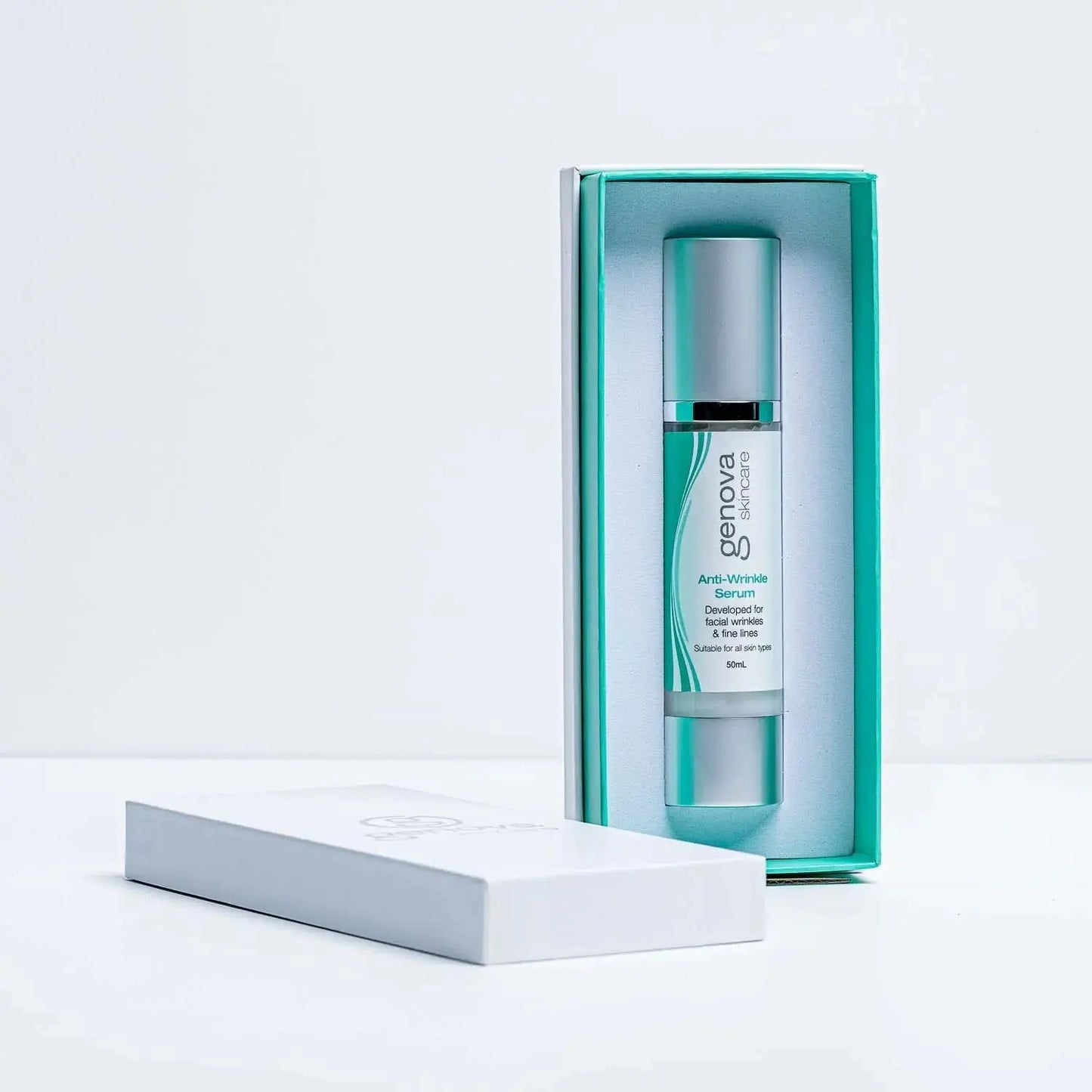
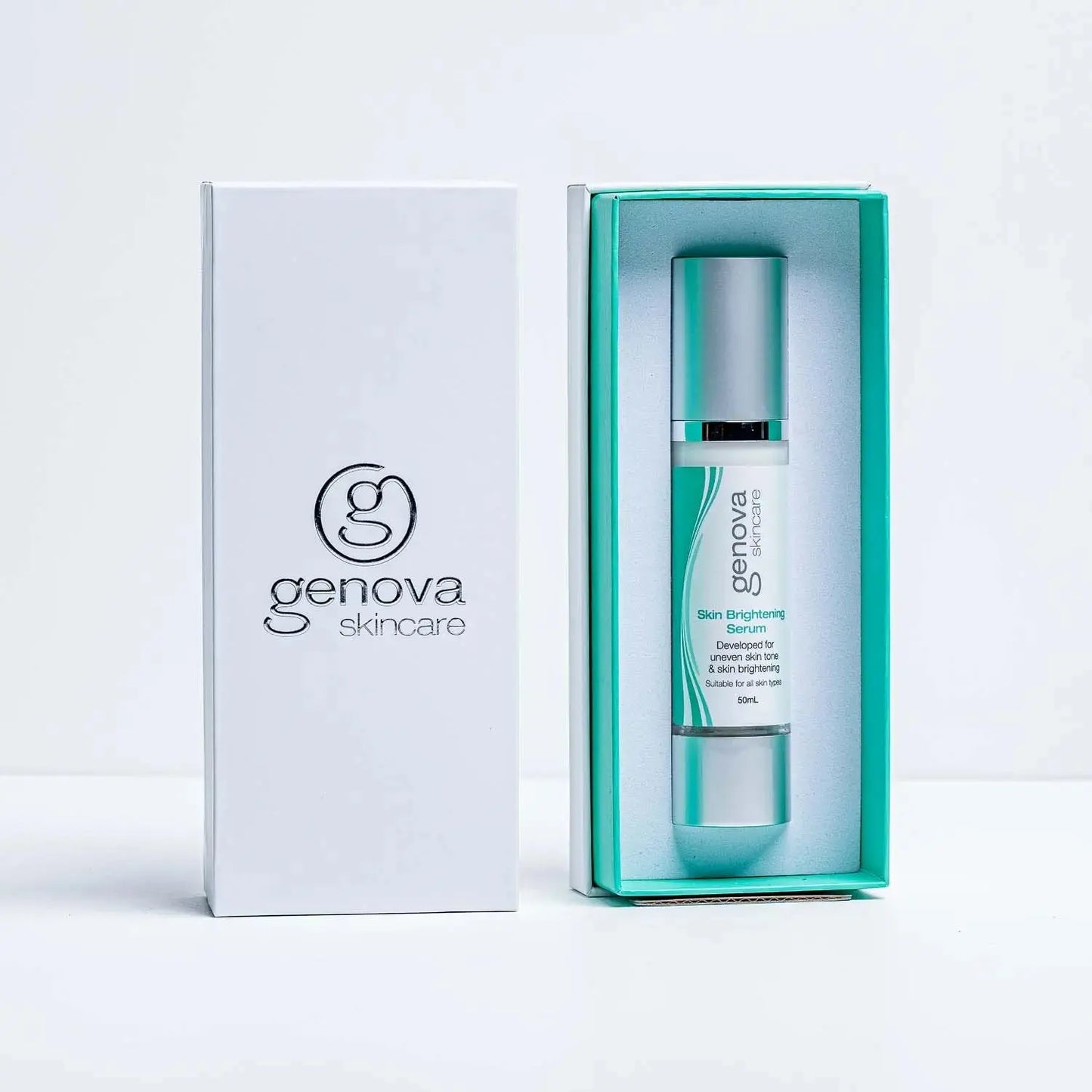
The Firming Cream provides the lipid-rich, peptide-supported seal HA needs in Australian conditions. The Anti-Wrinkle Serum uses peptides like Reproage and Snap-8 that layer comfortably with HA, targeting firmness from a different angle. The Skin Brightening Serum pairs well with HA for women who want hydration and a more even tone.
Genova is manufactured in Australia under TGA-compliant standards, which matters for ingredient stability in higher UV and heat. HA is one of several evidence-based options, and the key is pairing it correctly.
Who Benefits From Hyaluronic Acid and Who Might Not
It may suit you if:
- Your skin feels drier, tighter, or less plump than it used to after 45
- You want a low-irritation way to add hydration
- You are willing to apply it to damp skin and follow with moisturiser
- You live in a dry Australian climate and need extra surface hydration
It may not suit you if:
- You apply HA to dry skin in a dry room and skip moisturiser (it will backfire)
- You expect HA alone to replace a richer cream
- You are looking for dramatic wrinkle reduction (HA softens the look of lines temporarily; it does not rebuild collagen)
Realistic Expectations: What HA Can and Can't Do
Used correctly, HA can improve surface hydration within minutes, make skin feel plumper and more comfortable, and soften the appearance of fine dehydration lines with consistent use. It is well tolerated by most sensitive, menopausal skin types.
What HA cannot do is rebuild collagen, correct structural sagging, or permanently fill deep wrinkles. Topical HA does not reach the deeper skin layers where injected fillers work. Results vary, and women who pair HA with a ceramide-rich moisturiser and SPF see more visible benefit than those who use HA alone.
Pros and Cons of Hyaluronic Acid for Menopausal Skin
Pros: Well tolerated, low irritation, suits reactive skin, improves hydration quickly, layers with most other actives, supports the barrier indirectly, inexpensive compared with other actives.
Cons: Can backfire if applied to dry skin without follow-up moisturiser, does not build collagen, effects are surface-level and temporary without consistent use, requires a humectant-friendly routine.
How to Use Hyaluronic Acid on Menopausal Skin
- Cleanse gently. A low-foam, pH-balanced cleanser sets the stage for hydration.
- Leave skin damp. Do not fully dry your face before applying HA.
- Apply a few drops of HA serum. Press it gently into the skin on the face and neck.
- Follow with moisturiser within 60 seconds. A ceramide-rich or peptide-based moisturiser seals the hydration in.
- Apply SPF every morning. Hydrated skin still needs UV protection.
- Use twice daily, consistently. Most women notice comfort within days and fine line softening at 4 to 8 weeks.
Myths About Hyaluronic Acid for Menopausal Skin
Myth: HA stops working after 50.
Topical HA continues to hydrate at any age. What changes is your natural HA production, not the way applied HA behaves.
Myth: Higher concentration means better hydration.
Once HA passes a certain concentration, skin cannot absorb more, and very high concentrations can feel sticky. Molecular weight blend matters more than percentage.
Myth: HA replaces moisturiser.
HA pulls water in, but does not seal it. Menopausal skin needs a moisturiser step on top or the water HA attracts will evaporate.
Frequently Asked Questions About HA for Menopausal Skin
How long until I see results from HA?
Surface plumpness usually shows within days. Softening of fine dehydration lines typically takes 4 to 8 weeks of consistent daily use.
Can I use HA with retinol and vitamin C?
Yes. HA layers comfortably with most actives and can help buffer the drying effects of retinol on menopausal skin.
What concentration of HA should I look for?
Most well-formulated serums sit between 0.1 and 2 per cent. A multi-weight blend matters more than chasing a higher number.
Is HA the same as hyaluron or sodium hyaluronate?
They are closely related. Sodium hyaluronate is a smaller salt form of HA and often penetrates more easily in cosmetic formulas.
Can I use HA if my skin is oily or breakout-prone?
Yes. HA is oil-free and suits most skin types, including menopausal skin with occasional breakouts.
Do I still need HA if I use a ceramide moisturiser?
Often yes. Ceramides restore the barrier, while HA adds water underneath. They target different parts of menopausal dehydration.
References
- Papakonstantinou, E., Roth, M., and Karakiulakis, G. (2012). Hyaluronic acid: A key molecule in skin aging. Dermato-Endocrinology, 4(3), 253-258.
- Bukhari, S.N.A. et al. (2018). Hyaluronic acid, a promising skin rejuvenating biomolecule: A review. International Journal of Biological Macromolecules, 120, 1682-1695.
Hyaluronic acid is one of the gentler additions you can make to a menopausal routine, and when it is used correctly, it quietly does a lot of work. The real secret is not the brand or the percentage, it is remembering to apply it on damp skin and seal it in. Once that habit clicks, skin tends to feel kinder to live in again.
Individual results vary. Skincare products are cosmetic and not intended to address underlying skin conditions. If you have persistent dryness, redness, or significant skin concerns, we recommend consulting a qualified skin professional. The information in this article is general in nature and does not replace professional advice.