
Skincare Layering Order for Menopausal Skin: Step by Step
By Simon MitchellQuick Summary:
Layering order matters more on menopausal skin than it did in your 30s. A thinner barrier absorbs less, so the wrong order can leave expensive actives sitting unused on the surface. The rule is simple: thinnest to thickest, water-based before oil-based, actives before seals. This guide walks through the right morning and night order for menopausal skin, where to slot in SPF and targeted serums, and the common layering mistakes that quietly waste your routine.
Why Layering Order Matters More After 45
If you have ever applied a serum, then a richer cream, and felt like the serum did nothing, the order may be the issue. Menopausal skin absorbs less than it did at 30, and the wrong sequence can leave the most expensive step of your routine doing very little.
Falling estrogen reduces ceramide and lipid production. The barrier becomes thinner, and the outer skin layer holds onto water less efficiently. Anything that sits on top of a sealing cream rarely gets through, and anything applied in the wrong pH sequence can neutralise the step before it.
The good news is that the right order is simple once you see it. The same few rules cover morning and night.
The Three Rules of Layering Menopausal Skincare
Rule 1: Thinnest to thickest. A lightweight water-based serum cannot push through a heavy cream, but a heavy cream can sit comfortably on top of a serum.
Rule 2: Water-based before oil-based. Water and oil do not mix. Water-based products must go on first, or the oils block them.
Rule 3: Actives before seals. Anything you want to work with, like peptides, vitamin C derivatives, hyaluronic acid, or niacinamide, goes on before the moisturiser that seals it in.
On menopausal skin, these three rules matter far more than they did when skin was oilier and more permeable.
Morning Layering Order for Menopausal Skin
- Gentle cleanser. A low-foam, pH-balanced cleanser that does not strip the barrier.
- Water-based active serum. Peptides, niacinamide, or a gentle vitamin C derivative. Applied to clean, slightly damp skin.
- Hydrating serum. Hyaluronic acid or a multi-weight humectant to draw water into the upper skin.
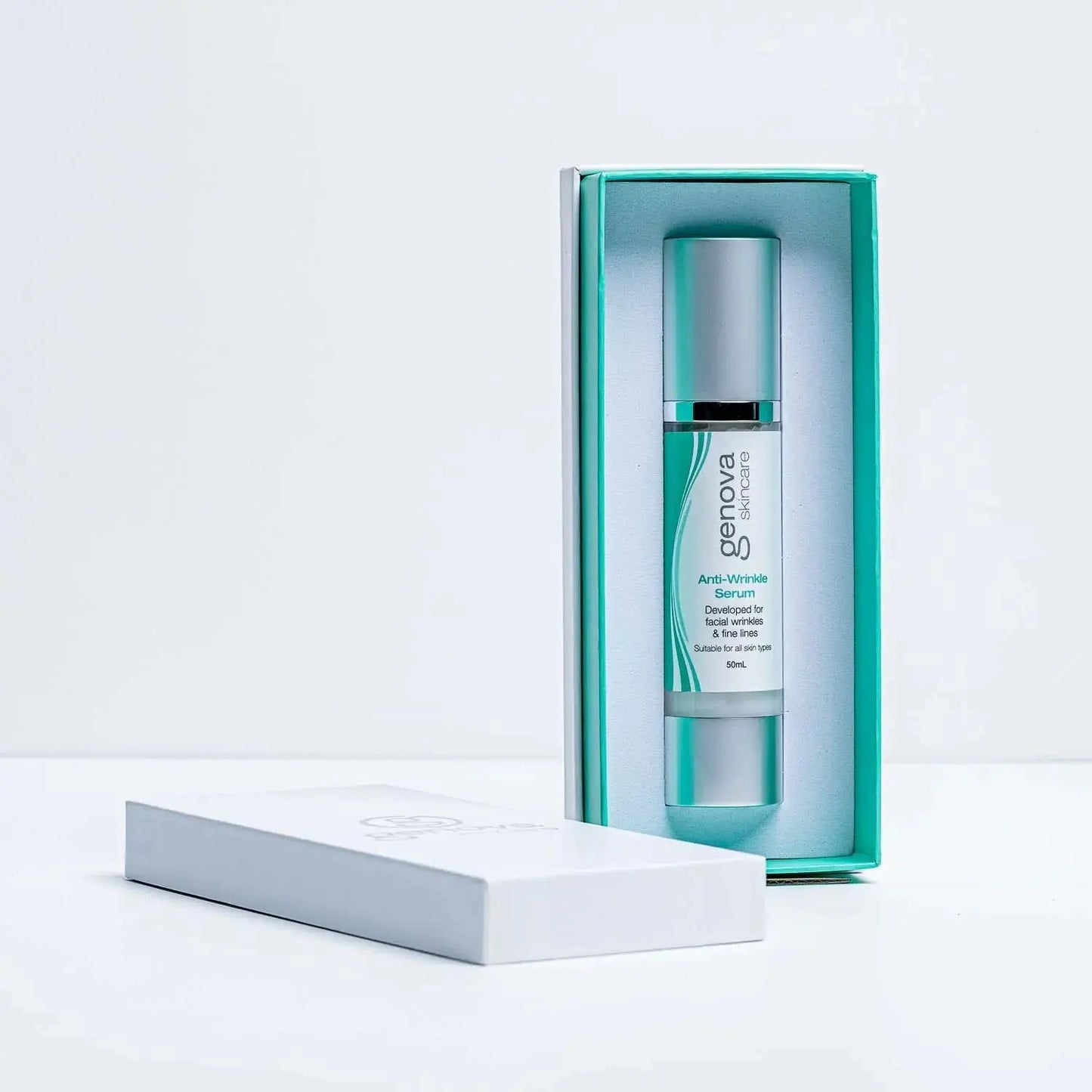
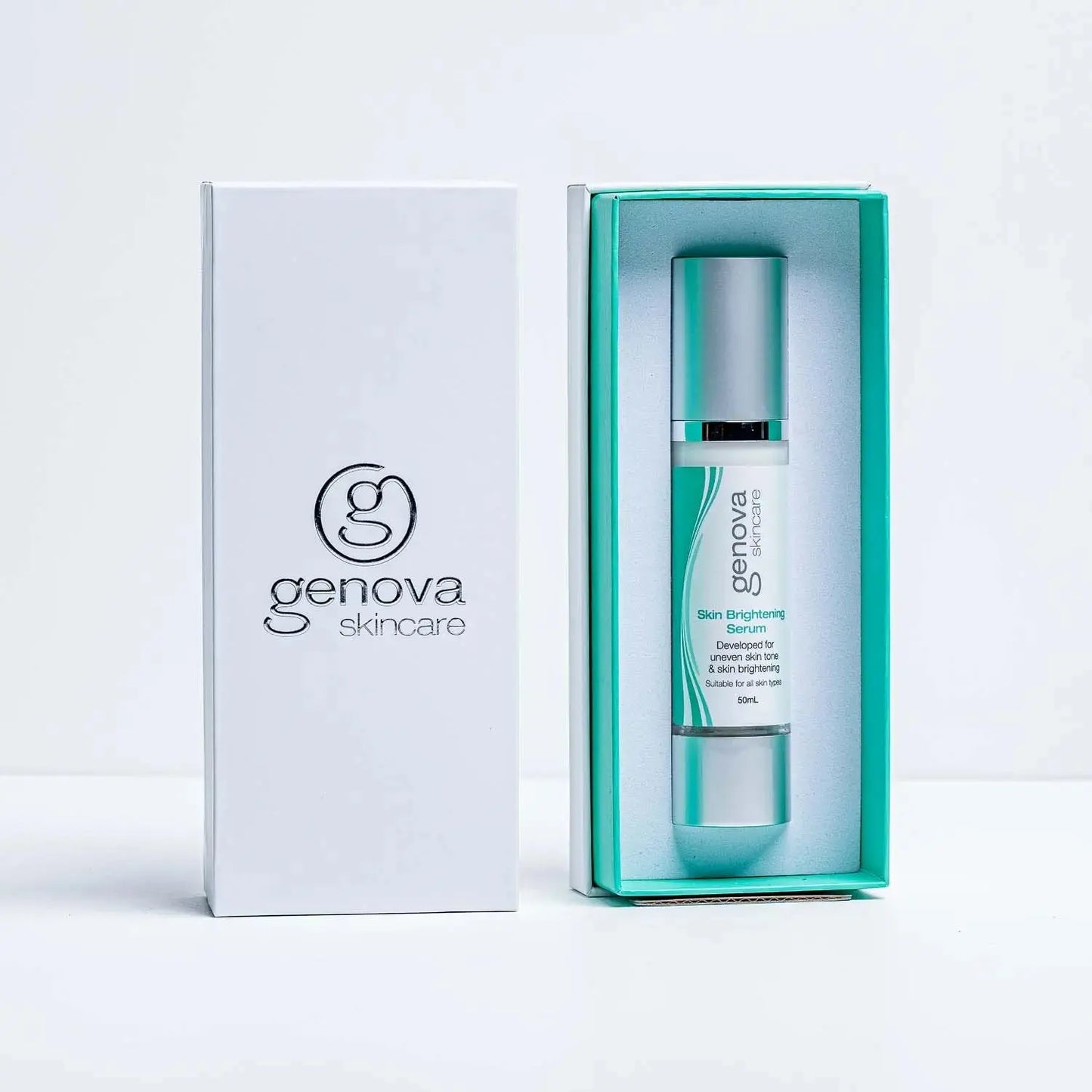
- Targeted serum. Age Spot Serum, Skin Brightening Serum, or Eye Serum on the relevant zones only.
- Moisturiser. A peptide or ceramide-rich cream that seals in everything beneath it.
- SPF 30 or higher. Always the final step every morning, regardless of the weather.
The whole sequence takes around 3 to 4 minutes once it is familiar.
Night Layering Order for Menopausal Skin
- Gentle cleanser. A low-foam, pH-balanced cleanser. Use twice if you have worn SPF or makeup.
- Water-based active serum. Niacinamide or peptides if retinol is not being used that night.
- Targeted serum. Anti-Wrinkle Serum, Age Spot Serum, or Eye Serum on the relevant zones.
- Retinol or alternative (2 to 3 nights a week). If used, applied to clean dry skin and followed by moisturiser.
- Hydrating serum. Hyaluronic acid over the other actives if your skin feels dry.
- Richer moisturiser or cream. A Firming Cream or ceramide cream that restores overnight.
- Facial oil (optional). Only on very dry nights, always as the last step.
Not every product needs to be used every night. Rotate actives based on how your skin is coping.
How to Slot a Genova Routine Into the Right Order
Genova Skincare is an Australian-made brand formulated for hormonally changing skin, and the range is designed to layer in the order above. A standard menopausal routine might run:
Morning: Active Foaming Cleanser, Anti-Wrinkle Serum, Skin Brightening Serum, Perfecting Eye Serum (on the eye area only), Firming Cream, SPF.
Night: Active Foaming Cleanser, Age Spot Serum (or Blemish Treatment on breakouts), Anti-Wrinkle Serum, Perfecting Eye Serum, Firming Cream.
The Ion Applicator can be slotted in after the water-based serums, before the richer cream, to help actives move into the upper skin layers more evenly. Genova is manufactured in Australia to TGA-compliant standards and formulated for local heat and UV conditions.
Common Layering Mistakes on Menopausal Skin
Applying moisturiser before serum. The cream seals out the active. Always serum first.
Using too many actives at once. Retinol, vitamin C, and exfoliating acids together often overwhelms a thinner barrier. Space them across morning and night or alternate nights.
Skipping SPF because of a moisturiser with added SPF. Most moisturisers and makeup SPF percentages are too low or applied too thinly to count. A dedicated sunscreen step still matters.
Applying hyaluronic acid to dry skin. HA needs damp skin and a cream on top, or it draws water out instead of in.
Rushing between steps. Actives need 30 to 60 seconds to settle before the next layer. Too fast and they mix instead of layering.
Who This Layering Order Suits and Who It Does Not
It may suit you if:
- Your skin feels less responsive to products than it used to
- You own several serums and are not sure which goes first
- You have 3 to 4 minutes for a morning routine
- You want to get more from the products you already own
It may not suit you if:
- Your skin is currently reactive, raw, or flaring (simplify first)
- You prefer a one-step regimen (a good moisturiser and SPF is still a valid routine)
- You are mid-way through barrier repair (pause actives and rebuild first)
Realistic Expectations for a Well-Layered Routine
Used consistently, the right layering order may improve how your skin feels within days, support visible brightness and smoothness at 4 to 8 weeks, and make your existing products feel more effective. Results vary depending on formulas, consistency, and barrier health.
What layering cannot do is replace quality formulas, SPF, sleep, or the slow structural changes that only come with hormones settling. It is a multiplier for a good routine, not a substitute for one.
Pros and Cons of Sequenced Layering
Pros: gets more from each product, reduces wasted actives, suits menopausal barrier, encourages consistent application, helps identify which step is working.
Cons: takes 3 to 4 minutes per routine, more to remember, requires patience for 30-second gaps between some steps.
Frequently Asked Questions About Skincare Layering
How long should I wait between layers?
Around 30 to 60 seconds between serums. A full minute before SPF in the morning helps prevent pilling.
Can I use retinol and vitamin C in the same routine?
Usually better to split them: vitamin C in the morning, retinol at night, rather than layering them at once.
Does the Ion Applicator change the layering order?
No. Use it after water-based serums and before your richer cream. It helps actives move in, not above the routine.
What if my skin pills when I layer?
Pilling usually indicates too much product, insufficient time between layers, or incompatible textures. Use thinner amounts and wait longer.
Do I need different morning and night routines?
Yes. Morning is about protection (antioxidants, hydration, SPF). Night is about repair (peptides, retinol, richer moisture).
Can I skip serums and just use a good moisturiser?
Yes, for some women that is enough. Serums help when you are targeting specific concerns like pigmentation, wrinkles, or breakouts.
References
- Jakasa, I., Verberk, M.M., Esposito, M., Bos, J.D., and Kezic, S. (2007). Altered penetrability of the skin barrier. Contact Dermatitis, 56(2), 65-75.
- Draelos, Z.D. (2018). The science behind skin care: Moisturizers. Journal of Cosmetic Dermatology, 17(2), 138-144.
A good routine is not about owning more products. It is about letting the ones you own actually do their job. Once the order becomes familiar, the whole thing takes a few quiet minutes twice a day. Most women notice the difference within a week, not because anything has changed on the shelf, but because more of what is on the shelf is finally getting in.
Individual results vary. Skincare products are cosmetic and not intended to address underlying skin conditions. If your skin is reactive, raw, or showing persistent concerns, please consult a qualified skin professional. The information in this article is general in nature and does not replace professional advice.