
How to Treat Menopausal Skin: Evidence-Based Solutions for Hormonal Skin Changes
One of the most confusing parts of menopause is when your skincare routine suddenly stops working -even if you've been using the same products for years. What felt nourishing now sits on your skin. What calmed sensitivity now causes irritation. This isn't your imagination, and it's not just aging - it's a distinct hormonal shift that requires a different approach.
Quick Summary: Menopausal skin experiences significant changes due to declining estrogen - thinner epidermis, reduced collagen, slower cell turnover, and increased sensitivity. Effective treatment requires combining active ingredients (retinoids, peptides, niacinamide), barrier repair products, and gentle exfoliation. Results typically appear within 6-12 weeks with consistent use, though individual responses vary.

Why Menopausal Skin Behaves Differently
The Hormonal Shift Behind Skin Changes
When estrogen levels drop during perimenopause and menopause, your skin loses structural support rapidly. Research in Dermato-Endocrinology shows women can lose up to 30% of skin collagen in the first five years after menopause.
This isn't just aging - it's a distinct hormonal shift affecting how your skin functions at a cellular level.
Why Products Stop Working
Estrogen receptors throughout your skin tissue no longer receive the same hormonal signals that maintained thickness, moisture retention, and repair capacity. Your skin becomes drier, thinner, more reactive, and slower to heal.
What Changes First
Most women notice these shifts in this order: increased dryness, reduced product absorption, heightened sensitivity to ingredients that never caused problems before, slower healing from breakouts or irritation, and visible thinning particularly around eyes and cheeks.

Core Treatment Strategies for Menopausal Skin Changes
1. Support Collagen Production
Without estrogen's collagen-building signals, you need ingredients that stimulate fibroblast activity through different pathways.
Retinoids (vitamin A derivatives) remain the most studied option, working by increasing cell turnover and supporting collagen synthesis. However, menopausal skin is often more sensitive. If using a retinoid, start 2-3 nights per week and increase slowly over 4-6 weeks. Watch for excessive dryness or irritation - your tolerance may be lower than it was pre-menopause.
Peptides offer a gentler alternative, sending signals to skin cells to produce structural proteins without the irritation risk. Look for copper peptides or matrixyl peptides in serums applied before moisturiser.
2. Repair and Strengthen Skin Barrier
Menopausal skin produces less natural ceramides and lipids, weakening your protective barrier. This makes you more vulnerable to irritation, moisture loss, and inflammation.
Effective barrier repair requires:
- Ceramide-dominant moisturisers (ceramides, cholesterol, fatty acids)
- Niacinamide (vitamin B3) to support barrier lipid production
- Hyaluronic acid for humectant moisture binding
- Avoiding over-cleansing that strips remaining natural oils
Why Sensitivity Increases
Your compromised barrier allows irritants to penetrate more easily while holding less moisture. This creates a cycle: dryness leads to barrier damage, which increases sensitivity, which causes more dryness.
3. Address Increased Pigmentation
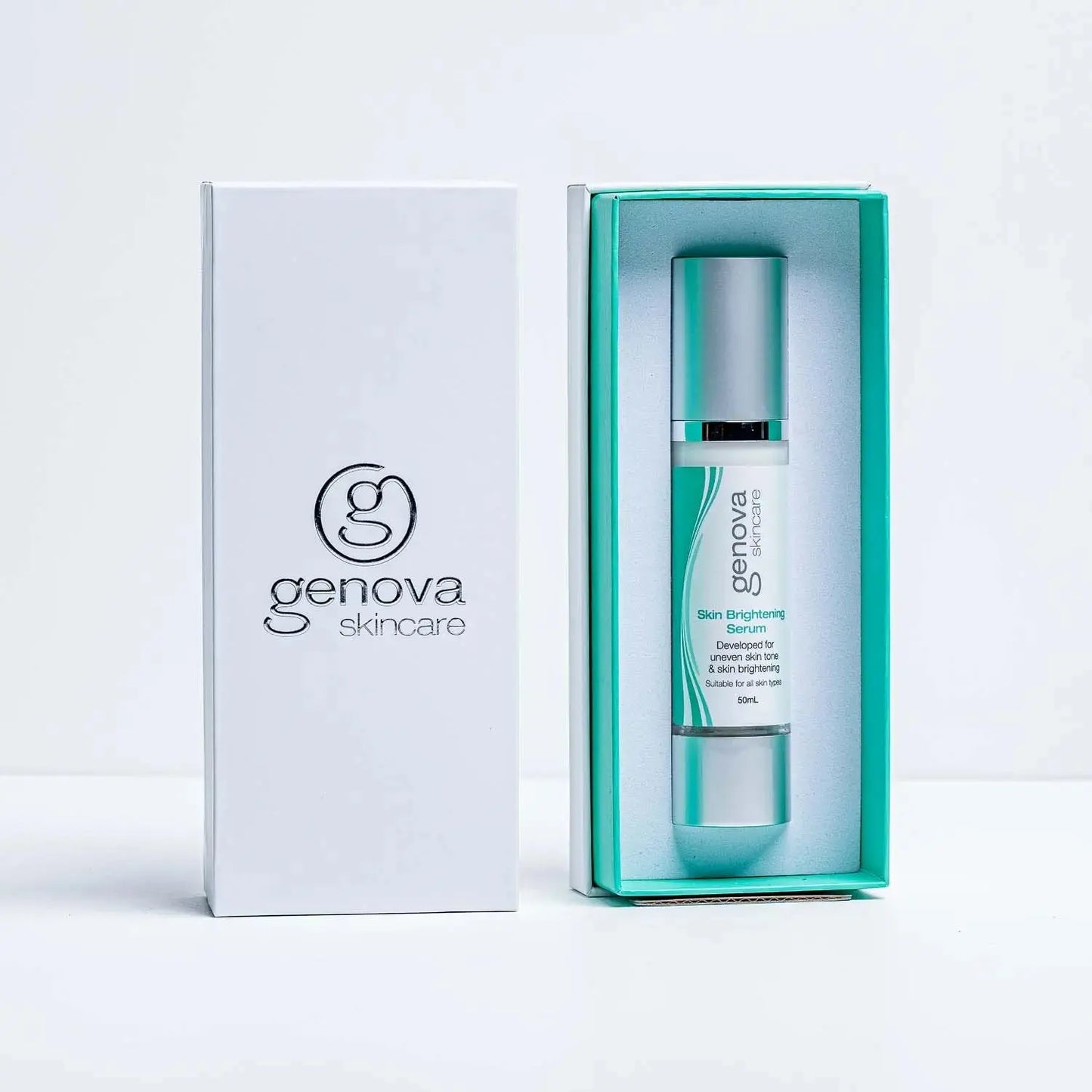
Hormonal changes can trigger melasma and uneven tone. Vitamin C serums (L-ascorbic acid) may help inhibit melanin production while providing antioxidant protection. Niacinamide also shows evidence for reducing pigmentation transfer in skin cells.
Gentle chemical exfoliants (lactic acid, mandelic acid) help remove surface pigmentation more effectively than physical scrubs, which can inflame already-sensitive menopausal skin.
How Genova Skincare Addresses Hormonal Skin Changes
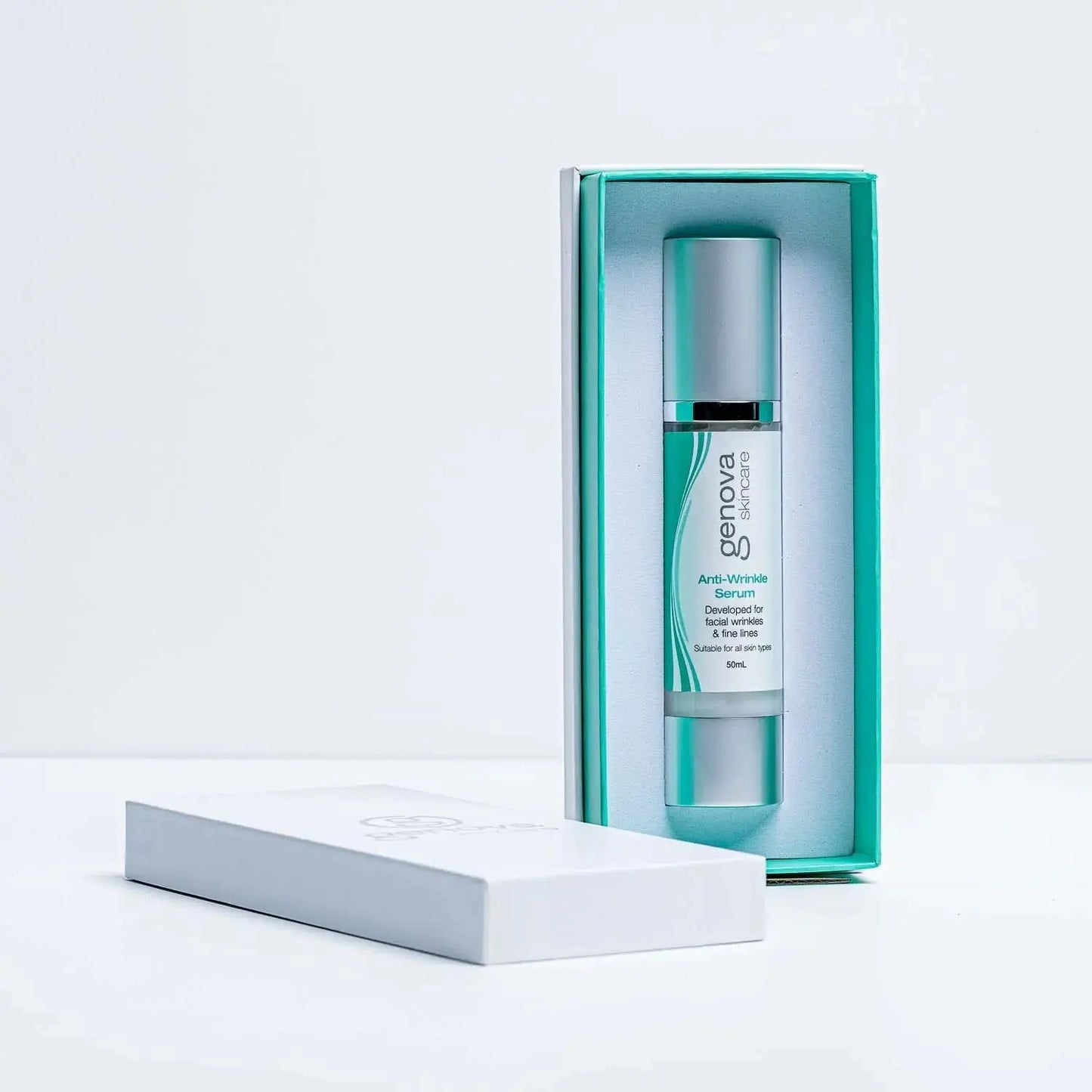
Genova Skincare formulates specifically for menopausal skin's altered needs. Their Anti-Wrinkle Serum combines peptides with niacinamide to support both collagen production and barrier function without irritation common in stronger retinoids.
The serum absorbs quickly without leaving residue, which is ideal for menopausal skin that often struggles with product absorption from heavier formulations.
The Firming Cream provides ceramide-rich barrier repair designed for estrogen-depleted skin. Its texture is substantial enough to provide all-day moisture without feeling occlusive or heavy - a balance that matters when your skin both needs more hydration and tolerates fewer ingredients.
This approach recognises that menopausal skin requires gentler actives at higher concentrations of supporting ingredients compared to pre-menopausal formulations.
Realistic Expectations: Visible improvements typically appear within 8-12 weeks of consistent use. You may notice improved texture and hydration within 3-4 weeks, but collagen support requires longer timelines. Results vary significantly based on baseline skin condition, genetics, and overall health factors.

Evidence-Based Active Ingredients That May Help

Step-by-Step Treatment Protocol for Menopausal Skin
- Cleanse gently (morning and evening with non-stripping cleanser)
- Apply treatment serum (peptides or retinoid, evening only if using retinoid)
- Layer niacinamide serum (if not already in treatment product)
- Apply barrier-repair moisturiser (ceramide-rich formula)
- Use SPF 30+ daily (essential - menopausal skin more vulnerable to UV damage)
Start new actives slowly - one at a time over 2-3 weeks - as sensitivity increases during hormonal transitions.
Who This Approach Is For / Who It's Not For
This works well if you:
- Are experiencing skin changes during peri/menopause
- Want evidence-based topical solutions
- Can commit to 8-12 weeks of consistent use
- Have realistic expectations about cosmetic vs medical treatments
This may not be sufficient if you:
- Have severe skin laxity requiring professional intervention
- Experience hormonal acne needing medical treatment
- Have significant melasma (may need dermatologist-prescribed options)
- Want immediate visible results
What Topical Skincare Cannot Do
Topical products cannot replace lost estrogen's systemic effects. They work at the skin surface and upper dermis but cannot fully restore pre-menopausal skin structure.
Significant laxity, deep volume loss, and severe hormonal conditions may require professional treatments like laser therapy, hormone replacement therapy (discuss with your doctor), or cosmetic procedures.
FAQ: Treating Menopausal Skin
How long before I see results treating menopausal skin? Most women notice improved hydration within 3-4 weeks. Textural improvements and reduced fine lines typically appear around 8-12 weeks with consistent use of collagen-supporting actives.
Can I use retinoids on menopausal skin? Yes, but many women find their tolerance decreases during menopause. Start with lower concentrations (0.25-0.5%) and use 2-3 nights per week initially, increasing slowly as tolerance builds.
Do I need different products after menopause? Your skin likely needs richer barrier repair, gentler actives, and more ceramide-focused hydration compared to pre-menopausal formulations that may now feel inadequate.
Will treating menopausal skin reverse all aging signs? Topical treatments can support skin function and appearance but cannot fully reverse structural collagen loss or replicate estrogen's systemic effects. Set realistic expectations focused on improvement, not restoration.
References
- Thornton MJ. Estrogens and aging skin. Dermato-Endocrinology. 2013;5(2):264-270.
- Verdier-Sévrain S, Bonté F. Skin hydration: a review on its molecular mechanisms. Journal of Cosmetic Dermatology. 2007;6(2):75-82.
- Mukherjee S, et al. Retinoids in the treatment of skin aging. Clinical Interventions in Aging. 2006;1(4):327-348.
- Gehring W. Nicotinic acid/niacinamide and the skin. Journal of Cosmetic Dermatology. 2004;3(2):88-93.
Individual results vary. Products mentioned are cosmetic formulations, not medical treatments. Consult a dermatologist for significant skin concerns or conditions requiring medical intervention.