
Understanding Rosacea: Causes, Triggers, and Effective Treatment Solutions
Understanding Rosacea. Does your face flush easily, leaving you feeling self-conscious? Do you notice persistent redness across your cheeks, nose, or forehead that just won’t fade? If you’re nodding along, you’re not alone. Rosacea affects millions of Australian women, particularly those in their 40s and beyond, and understanding this common skin condition is the first step towards managing it effectively.
What Is Rosacea?
Rosacea is a chronic inflammatory skin condition characterised by facial redness, visible blood vessels, and sometimes small, pus-filled bumps that can be mistaken for acne. While it predominantly affects fair-skinned individuals, rosacea can occur in all skin types and tends to worsen without proper care.
The condition typically appears on the central face - cheeks, nose, chin, and forehead - and can significantly impact confidence and quality of life. Many women find that hormonal changes during perimenopause and menopause can trigger or exacerbate rosacea symptoms, making targeted skincare solutions essential.

Common Rosacea Triggers
Understanding what triggers your rosacea flare-ups is crucial for effective management. Common triggers include:
- Sun exposure – UV radiation is one of the most significant rosacea triggers
- Stress and anxiety – Emotional stress can cause facial flushing and inflammation
- Hot beverages and spicy foods – These can dilate blood vessels and increase redness
- Alcohol consumption – Particularly red wine, which can trigger facial flushing
- Extreme temperatures – Both hot and cold weather can aggravate symptoms
- Harsh skincare products – Fragranced products and alcohol-based toners can worsen inflammation
The Four Types of Rosacea
Rosacea presents differently in each individual, with four main subtypes:
- Erythematotelangiectatic Rosacea – Persistent facial redness and visible blood vessels
- Papulopustular Rosacea – Redness accompanied by acne-like breakouts
- Phymatous Rosacea – Thickened skin texture, often affecting the nose
- Ocular Rosacea – Affects the eyes, causing redness and irritation
How to Manage Rosacea Effectively
Managing rosacea requires a gentle, consistent skincare regimen combined with lifestyle modifications. Here are evidence-based strategies that work:
Choose Anti-Inflammatory Skincare – Look for products specifically formulated to calm inflammation and strengthen the skin barrier. Ingredients like niacinamide, azelaic acid, and green tea extract have demonstrated efficacy in clinical studies for reducing rosacea symptoms.
Protect Your Skin Daily – Apply broad-spectrum SPF 50+ sunscreen every morning, even on cloudy days. Sun protection is non-negotiable for rosacea management.
Avoid Irritating Ingredients – Steer clear of products containing alcohol, fragrance, witch hazel, menthol, and exfoliating acids until your skin barrier is strengthened.
Genova Red Active Serum: Your Rosacea Solution
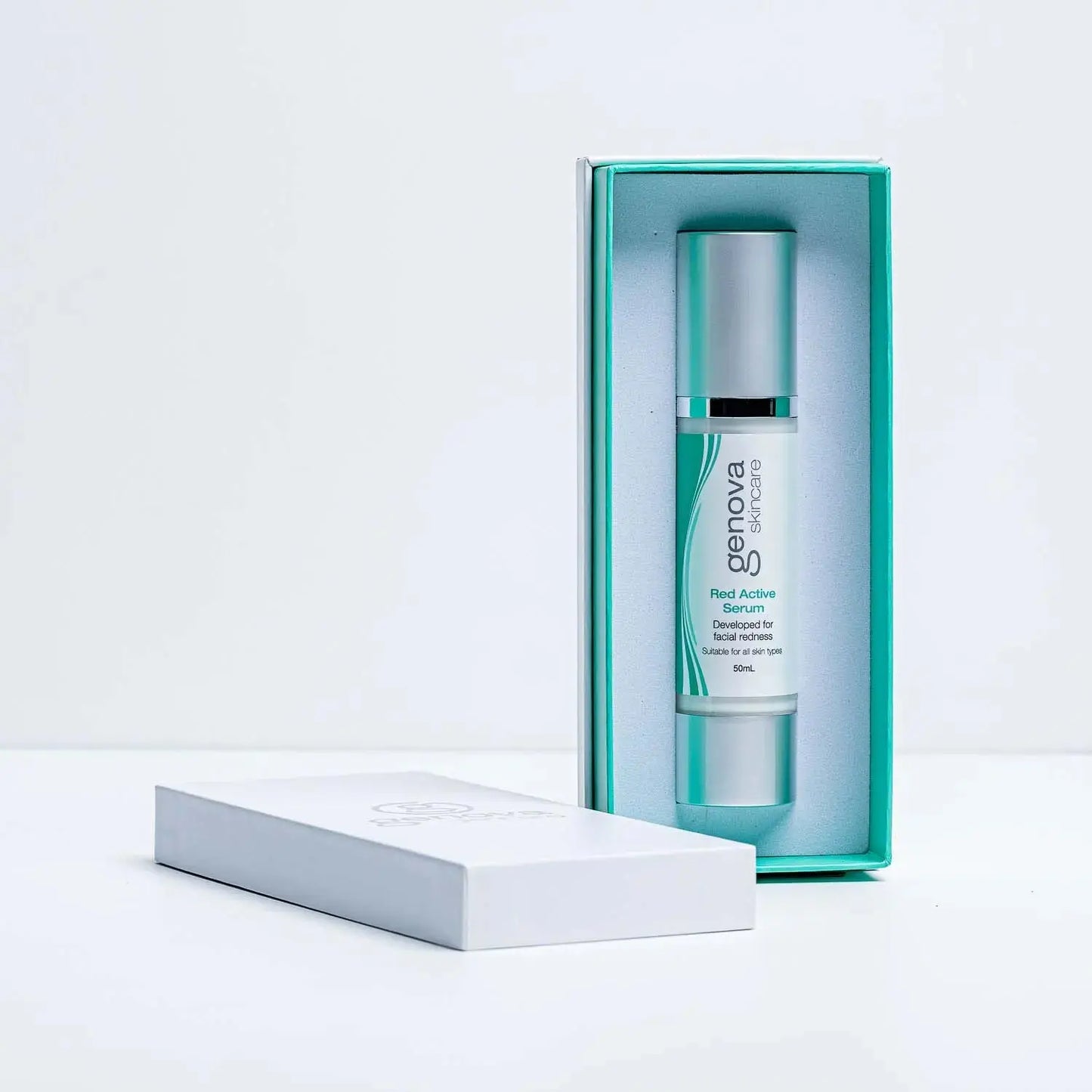
The Genova Red Active Serum has been specifically developed to address redness, inflammation, and sensitivity associated with rosacea-prone skin. This targeted treatment contains a synergistic blend of anti-inflammatory actives that work to calm reactive skin, reduce visible redness, and strengthen compromised skin barriers.
What makes this serum particularly effective is its lightweight, non-irritating formula that delivers powerful ingredients without overwhelming sensitive skin. Women experiencing hormonal changes find it especially beneficial, as it helps counteract the increased skin sensitivity that often accompanies perimenopause and menopause.
Apply the Red Active Serum twice daily after cleansing and before moisturiser for optimal results. Many users notice visible improvement in redness and skin comfort within just a few weeks of consistent use.

Your Path to Calmer, More Confident Skin
Living with rosacea doesn’t mean resigning yourself to persistent redness and inflammation. With the right skincare approach and products specifically formulated for sensitive, reactive skin, you can significantly reduce symptoms and feel confident in your complexion once again.
Ready to take control of your rosacea? Discover how Genova Red Active Serum can transform your skin. Visit our website to learn more about this targeted solution.
5 Essential Questions About Rosacea Answered
1. Can rosacea be cured permanently?
Unfortunately, rosacea cannot be permanently cured, but it can be effectively managed and controlled. With a proper skincare routine, lifestyle modifications, and targeted treatments like Genova Red Active Serum, many women experience a significant reduction in symptoms and prolonged remission. The key is consistency - maintaining your skincare regimen even when your skin appears calm helps prevent future flare-ups. Think of rosacea management as an ongoing journey rather than a destination, and you’ll find that with proper care, you can keep symptoms minimal and enjoy confident, comfortable skin.

2. Is rosacea the same as acne?
No, rosacea and acne are distinctly different conditions, although they can look similar. Rosacea is characterised by persistent facial redness, visible blood vessels, and inflammation, sometimes accompanied by papules and pustules. Unlike acne, rosacea doesn’t involve blackheads or whiteheads, and it’s caused by inflammation and vascular dysfunction rather than clogged pores. Women with rosacea often have sensitive, reactive skin that flushes easily, whereas acne is primarily related to excess oil production and bacterial growth. This distinction is crucial because treating rosacea with harsh acne products can worsen symptoms and further damage your skin barrier.
3. Does stress make rosacea worse?
Absolutely. Stress is one of the most commonly reported rosacea triggers among Australian women. When you’re stressed, your body releases cortisol and other hormones that can cause blood vessels to dilate, leading to facial flushing and increased inflammation. Many women notice their rosacea flares during particularly stressful periods at work or home. Managing stress through mindfulness, regular exercise, adequate sleep, and relaxation techniques can significantly improve your rosacea symptoms. Pairing stress management with a calming skincare routine featuring products like Genova Red Active Serum provides a comprehensive approach to keeping rosacea under control.
4. What skincare ingredients should I avoid if I have rosacea?
If you have rosacea-prone skin, certain ingredients can trigger flare-ups and should be avoided. Steer clear of alcohol-based products, synthetic fragrances, sodium lauryl sulphate, witch hazel, menthol, peppermint, eucalyptus oil, and high concentrations of exfoliating acids (AHAs and BHAs). These ingredients can strip your skin barrier, increase sensitivity, and exacerbate redness. Instead, look for gentle, fragrance-free formulations containing anti-inflammatory ingredients such as niacinamide, azelaic acid, green tea extract, and liquorice root extract. Always patch-test new products and introduce them gradually to monitor your skin’s response.
5. At what age does rosacea typically start?
Rosacea most commonly develops between the ages of 30 and 50, with many Australian women first noticing symptoms during their 40s. Interestingly, the onset often coincides with perimenopause, as hormonal fluctuations can trigger or worsen rosacea symptoms. Fair-skinned individuals tend to be more susceptible, though rosacea can affect all skin types and tones. If you’re experiencing persistent facial redness, flushing, or sensitivity, don’t dismiss it as “just sensitive skin” - early intervention with appropriate skincare and lifestyle changes can prevent progression. The earlier you address rosacea with targeted treatments, the better you can manage its impact on your skin and confidence.