
The 3-Step Neck Routine After 40: Moisture, Repair, SPF (and Where Actives Fit)
By Simon MitchellQuick Summary
- The neck has thinner skin, fewer oil glands, and more UV exposure than your face - it needs its own routine.
- A simple 3-step approach (Moisture, Repair, SPF) addresses the most common neck concerns for women over 40.
- "Actives" like retinol and vitamin C are optional add-ons, not starting points - introduce them slowly to avoid irritation.
- If your neck is reactive or stinging, a 14-day barrier reset can calm things down before you layer anything else.
- Results take 6–12 weeks of consistency. There is no shortcut, but there is a simpler path.
You probably moisturise your face every morning without thinking about it. You have a routine. Maybe even a good one.
But your neck? It's an afterthought. A quick swipe of whatever's left on your fingertips, if you remember at all.
And yet, if you've noticed that your neck looks older than your face, drier, more textured, looser - you're not imagining it. The neck genuinely ages faster. It's not a flaw in your routine. It's biology.
The good news is that fixing it doesn't require an expensive overhaul. It requires a different approach. A simple one.
If you're googling "neck skincare routine after 40" or "why my neck looks older than my face," this is the simplest place to start.
Why the Neck Needs Its Own Routine After 40
The neck is structurally different from the rest of your skin, and those differences become more noticeable as estrogen levels drop during perimenopause and menopause.
Neck skin is thinner and has fewer oil glands than much of the face, so it's more prone to dryness and irritation. Research published in Scientific Reports has shown that menopause reduces both the quantity and quality of ceramides - the lipids that form the skin's moisture barrier - leading to increased water loss and greater sensitivity to irritants. This is why products that once worked well on your skin may suddenly feel drying or aggravating. It's not the product. It's a barrier change.
On top of that, the neck receives consistent UV exposure, even on days you don't think about it. It folds and creases with movement and posture. It's rubbed by collars, necklaces, and towels. And it gets far less moisturiser and sunscreen than your face does.
All of this adds up. Especially after 40.
The 3-Step Neck Routine
You don't need a complicated system. You need three things, applied in the right order, consistently.
Step 1: Moisture
This is your foundation. Not a thin layer. A proper, intentional application of a moisturiser designed to hydrate and hold water in the skin.
What to look for in a neck moisturiser:
- Ceramides - these rebuild the moisture barrier from the outside in
- Hyaluronic acid - draws water into the skin and helps it stay there
- Glycerin - a gentle humectant that works well for most skin types
- Fragrance-free formula - fragrance is one of the most common irritants for sensitive or reactive neck skin
Apply from your collarbone upward, using gentle upward strokes. A small amount is enough - the neck doesn't need a thick layer.
Step 2: Repair
Repair and moisture are related but different. Moisture adds water. Repair strengthens the barrier that keeps that water in place.
If your neck is currently stinging, itching, or feeling tight after skincare, focus here first. A barrier repair product - typically one containing ceramides, cholesterol, and fatty acids - can calm irritation and restore function before you add anything else.
If your neck feels stable but dry, a combined moisturiser with barrier-supporting ingredients may cover both steps. You don't necessarily need two separate products.
When to simplify: If your neck is reacting to anything - even your usual moisturiser - strip back to a single fragrance-free, minimal-ingredient product for 7-14 days. Let the barrier recover before layering anything back in.
Step 3: SPF
This is the step most people skip on the neck. Don't.
The neck is exposed to UV almost every day, and UV damage to thin neck skin accelerates both visible ageing and barrier breakdown. Cancer Council Australia recommends using an SPF50+ broad-spectrum sunscreen on any day the UV index is forecast at 3 or above, which in most of Australia covers most of the year.
Most people use far less sunscreen than they need to. As a rough guide, Cancer Council suggests around a teaspoon for the face, neck and ears combined - so don't be shy with it. Apply at least 20 minutes before you head outdoors, and reapply every two hours, or sooner if you've been swimming or sweating.
If sunscreen stings your neck: Try switching to a fragrance-free mineral (zinc oxide) sunscreen. Mineral filters sit on top of the skin rather than absorbing into it, which makes them less likely to irritate sensitive skin. If every sunscreen stings, prioritise physical coverage - high-neck clothing or shade - while you calm the barrier over a few days, then retry mineral SPF.
Where Actives Actually Fit (and How to Avoid Irritation)
Actives - retinoids, AHAs, vitamin C, niacinamide, peptides - can support neck skin over time. But they are not where you should start, especially if your neck is already dry or reactive.
Think of actives as layer four, not layer one.
How to introduce them safely:
- Add one active at a time. Do not combine retinol and an acid on the same night.
- Start at low frequency - once or twice a week maximum.
- Use the buffer method: apply your moisturiser first, then the active on top. This reduces direct contact with the skin and lowers the chance of irritation.
- Separate retinoids and acids onto different nights.
A simple 4-week on-ramp schedule:
- Weeks 1–2: Moisture + Repair + SPF only. No actives. Let the barrier settle.
- Week 3: Add a low-strength retinol product - 2 nights per week only (e.g., Tuesday and Friday).
- Week 4: If retinol is tolerated well, add vitamin C in the morning (1-2 mornings per week) OR an AHA on a separate night (1 night per week). Not both at once.
If anything stings, flakes excessively, or feels tight, pull back to the previous step. There is no penalty for going slower.
Two Routines: Choose Your Track
Track A - Reactive or Stinging Neck (14-Day Barrier Reset)
This track is for necks that are currently irritated, stinging, or not tolerating products well.
- Strip back to one fragrance-free moisturiser only. No actives.
- If your sunscreen is stinging, switch to a fragrance-free mineral (zinc oxide) sunscreen. If every sunscreen stings, use physical coverage - high-neck clothing or shade - while the barrier calms down over a few days, then retry mineral SPF.
- Apply moisturiser morning and evening. Nothing else during this period.
- After 7 days, if things feel calmer, add SPF back in (or continue with the mineral sunscreen you switched to).
- After 14 days, reassess. If the neck feels stable, move to Track B.
Track B - Stable Skin with Crepey Texture or Fine Lines
This track is for necks that tolerate your current routine but aren't improving.
- Ensure your moisturiser contains ceramides and hyaluronic acid.
- Use SPF50+ daily on the neck and décolletage.
- Follow the 4-week active introduction schedule above.
- Be consistent for at least 6–8 weeks before judging results.
If you want a single product that covers both Moisture and Repair, choose a fragrance-free ceramide moisturiser you already tolerate - and use it consistently before adding anything else.
7 Mistakes That Age the Neck Faster
- Stopping your moisturiser at the jawline. Your neck skin needs hydration just as much as your face.
- Spraying perfume directly on the neck. Fragrance is an irritant and can accelerate sensitivity and uneven tone over time.
- Hot showers and steam. Hot water strips moisture from already-thin neck skin. Use lukewarm water and limit exposure.
- Exfoliating too often. Once a week is the maximum for neck skin, and only if your barrier is stable.
- Using full-strength face retinoids on the neck. The neck is more sensitive. Start at half the strength or use a product formulated for thinner skin.
- Skipping SPF on the neck. UV damage is cumulative and is one of the fastest drivers of neck ageing.
- Friction from collars and necklaces. Constant rubbing wears down the skin barrier. Choose soft fabrics and wear necklaces loosely where possible.
FAQ
Can I use my face retinol on my neck? You can, but start cautiously. Face retinol is often formulated at higher strengths than neck skin can tolerate. Use half the amount, apply over moisturiser, and start with once a week only.
How often should I exfoliate my neck? Once a week at most, and only when your skin barrier feels stable. If your neck is dry, reactive, or stinging, skip exfoliation entirely until it settles.
Why does my neck sting when I apply sunscreen? Chemical sunscreen filters can irritate sensitive skin. Try switching to a mineral (zinc oxide) sunscreen that is also fragrance-free. If stinging continues with any product, see a dermatologist.
How long until I see improvement? Most people notice a difference in hydration and texture within 4–6 weeks of a consistent routine. Visible changes to fine lines or firmness typically take 8–12 weeks. Results vary from person to person.
Do I need a separate neck cream? Not necessarily. A good ceramide-rich moisturiser can work for both face and neck. A separate product is only needed if your neck has significantly different needs - such as extra dryness or sensitivity - compared to your face.
What if I'm menopausal and suddenly reactive to products I've used for years? This is common. Dropping estrogen levels change the skin barrier, making it more vulnerable to irritants. It doesn't mean the product is bad - it means your skin has changed. Step back to basics (one moisturiser, fragrance-free) and rebuild from there.
Can actives help with crepey neck skin? Retinoids and peptides may support collagen production over time, which can help with texture and fine lines. But they work best on a well-hydrated, stable barrier. Start with moisture and repair first.
Should I see a professional about my neck skin? If your routine is consistent and you're not seeing improvement after 12 weeks, a dermatologist can rule out other issues and recommend targeted treatments.
When to See a GP or Dermatologist
A skincare routine is not a substitute for medical advice. See a doctor if you notice any of the following on your neck:
- A rash that is worsening despite simplifying your routine
- Oozing, crusting, or weeping skin
- Severe swelling or persistent burning that does not settle
- A suspected allergic reaction
- Any new or changing skin lesions
- If you suspect contact dermatitis - for example, a new rash appearing where perfume or jewellery sits - stop the likely trigger and seek medical advice.
These can indicate conditions that need professional assessment, not just a routine adjustment.
The Bottom Line
Start with Moisture and Repair for 14 days. Add SPF daily. Then, once your barrier feels stable, introduce actives slowly - one at a time, low frequency, with patience.
The neck does not need a dramatic overhaul. It needs consistency and the right starting point. If you have been neglecting it, even a simple 3-step routine will make a noticeable difference over the coming weeks.
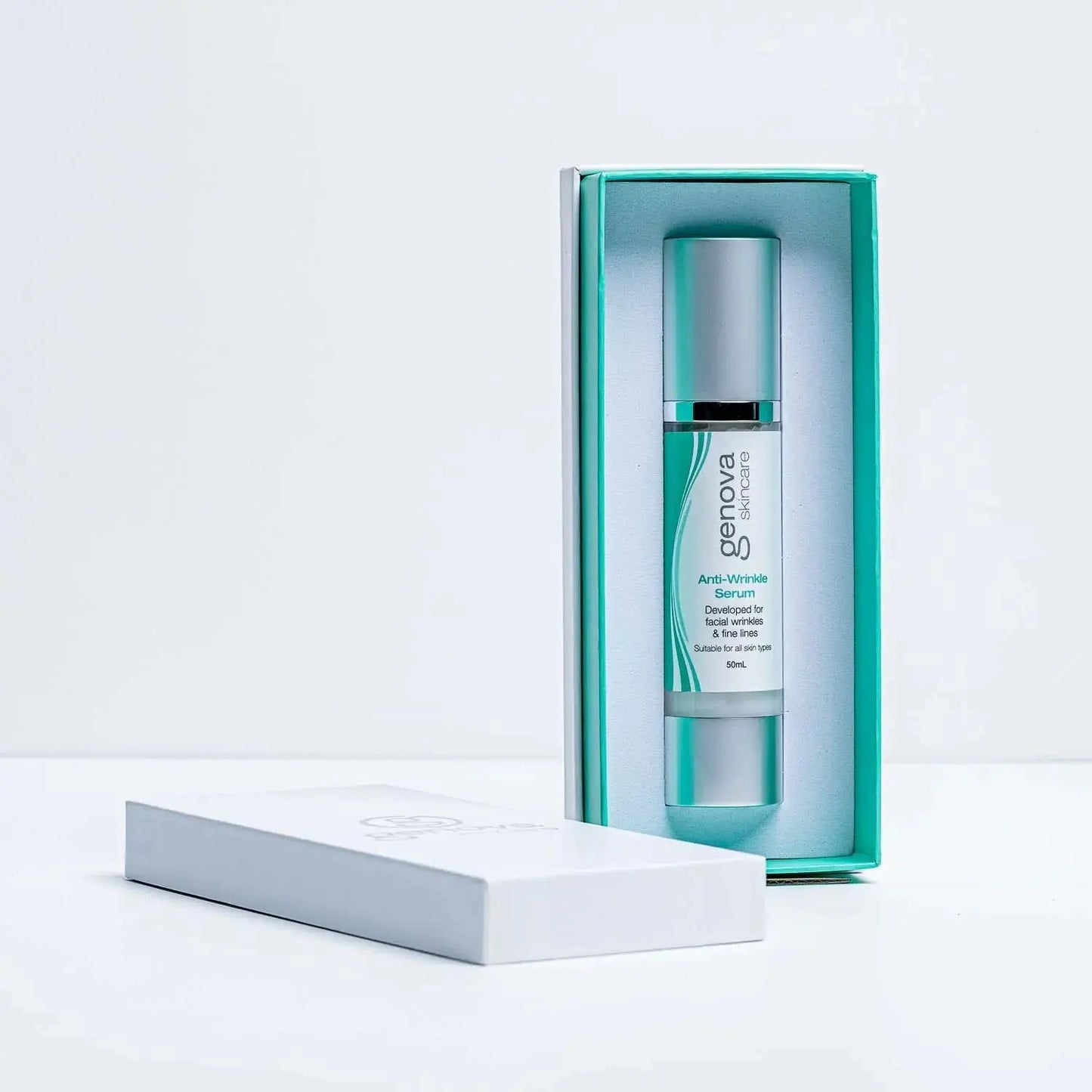
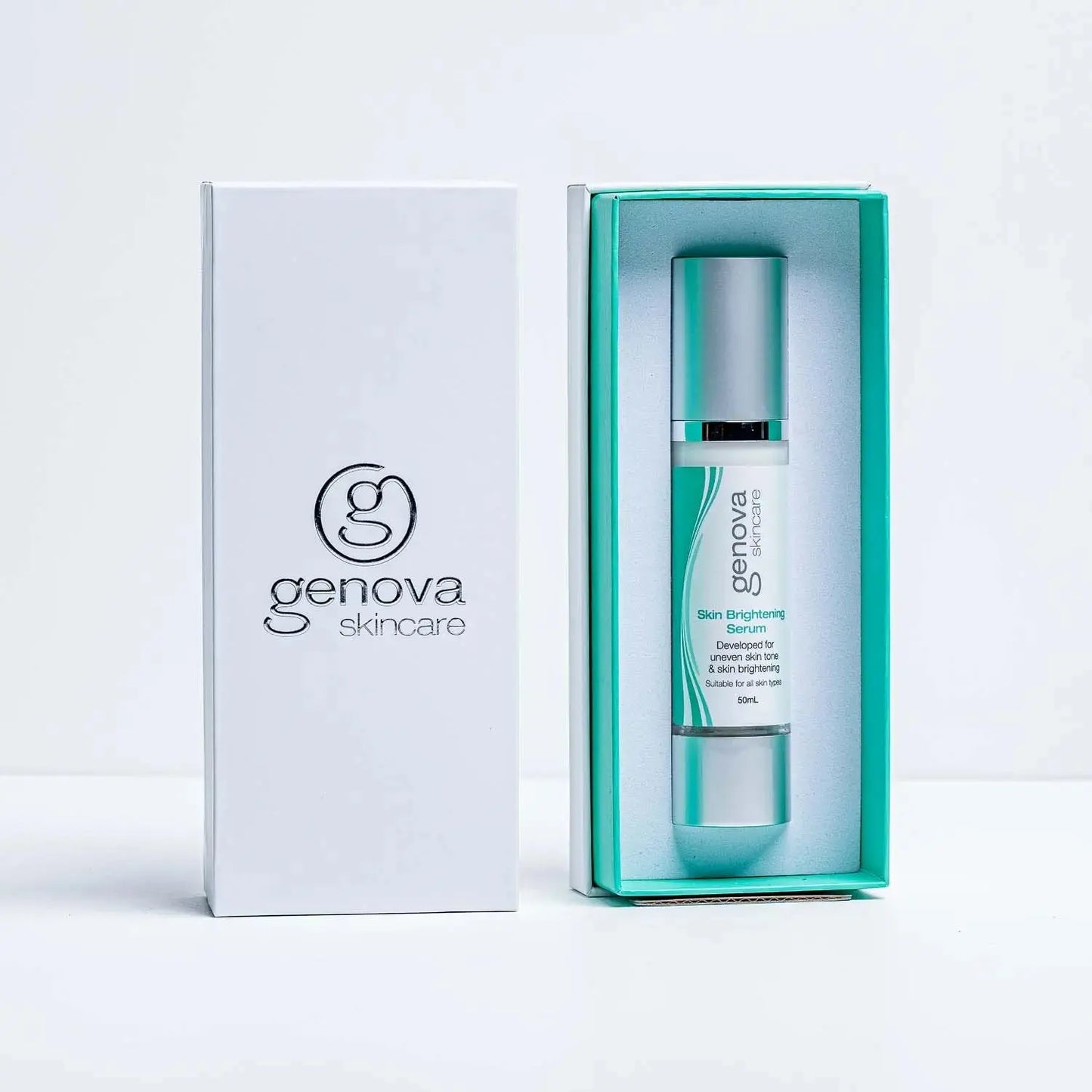
Genova Skincare's product range includes ceramide-based moisturisers and barrier-support options that may suit this approach. Browse their neck and décolletage care range to find something that fits your skin's current needs.
References
-
Kendall et al. - "Menopause induces changes to the stratum corneum ceramide profile, which are prevented by hormone replacement therapy." Scientific Reports, Nature Publishing Group, 2022. Website: nature.com
-
Cancer Council Australia - "About SPF50+ Sunscreen" and "UV Index." Sun safety and sunscreen guidance for Australians. Website: cancer.org.au
-
DermNet NZ - "Menopause and the Skin" and "Skin Barrier." Educational dermatology resources on hormonal skin changes and barrier function. Website: dermnetnz.org
-
American Academy of Dermatology - "Menopause and Skin Care" and "Caring for Sensitive Skin." Guidance on managing skin changes during hormonal transitions. Website: aad.org