
Skincare Pigmentation: Evidence-Based Solutions for Menopausal Skin
Quick Summary: Skincare Pigmentation
Skincare pigmentation issues intensify during perimenopause and menopause due to hormonal fluctuations affecting melanin production. Effective treatment requires consistent use of targeted ingredients like niacinamide, vitamin C, and alpha arbutin for 8-12 weeks minimum. This guide explains what causes hormonal pigmentation, which ingredients actually work, and realistic expectations for fading dark spots without professional procedures.

Why Pigmentation Worsens During Menopause
Declining estrogen levels during perimenopause directly impact melanocyte activity, the cells responsible for skin pigmentation.
This hormonal shift makes mature skin more reactive to sun exposure and inflammation, leading to stubborn dark spots that don't respond to products that worked in your 30s.
Research in the British Journal of Dermatology shows women over 45 experience increased melanin clustering, creating uneven patches on the face, hands, and chest. Unlike age spots from cumulative sun damage, hormonal pigmentation appears suddenly and intensifies rapidly.
Think of pigmentation in menopause like a stuck accelerator - your melanocytes become overresponsive, even to tiny triggers. The right actives work like a brake, slowing the melanin signal down before it reaches the skin's surface.
The frustrating reality: your skin's barrier function weakens simultaneously.
Slower cell turnover means dead cells cling longer, trapping pigmentation. A drier skin barrier allows more inflammation, which triggers even more melanin production. Products formulated for younger skin simply don't account for these changes.
If your pigmentation seemed to appear overnight, you're not imagining it, and you're not alone.
Hormonal shifts during perimenopause can make skin behave unpredictably, creating dark spots that seem resistant to everything you try.
The good news: with the right routine and consistency, these spots can fade.
What Actually Fades Pigmentation (According to Research)
Niacinamide (Vitamin B3): Clinical studies show 5% concentration reduces melanin transfer to skin cells. Works gradually over 8-12 weeks without irritation, making it suitable for sensitive menopausal skin.
Vitamin C (L-Ascorbic Acid): At 10-20% concentration, inhibits tyrosinase enzyme that triggers melanin production. Requires stable formulation in serum form. Research in Journal of Clinical and Aesthetic Dermatology confirms visible lightening after 12 weeks consistent use.
Alpha Arbutin: Derived from bearberry plant, blocks melanin formation at 2% concentration. Gentler alternative to hydroquinone, showing results in 6-10 weeks according to International Journal of Cosmetic Science.
Tranexamic Acid: Newer ingredient showing promise at 2-5% concentration. Studies indicate effectiveness for melasma and post-inflammatory pigmentation common in mature skin.
These ingredients require consistent morning and evening application. Missing applications extends timeline significantly.


The Genova Approach to Hormonal Pigmentation
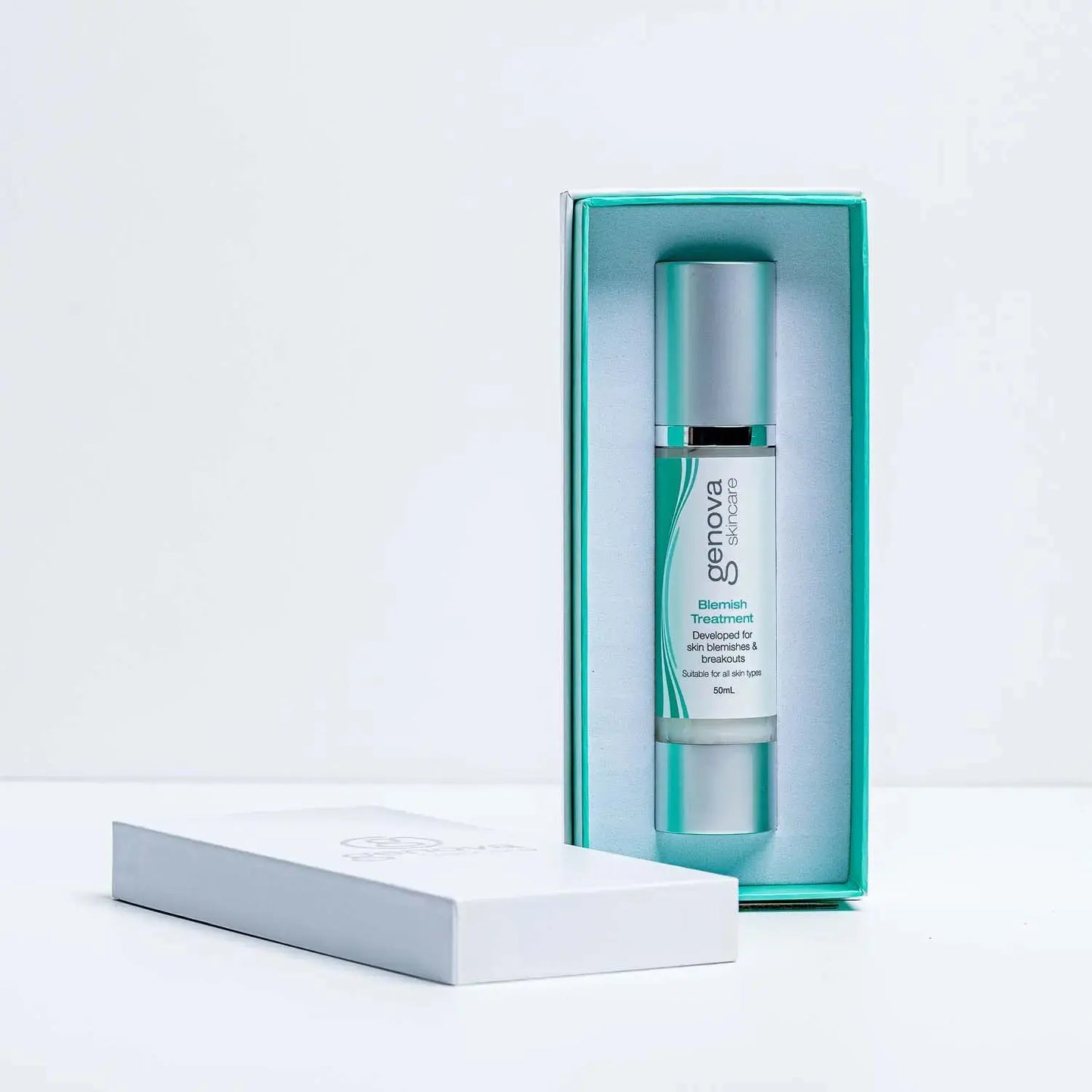
Formulated specifically for the hormonal shifts of perimenopause and menopause, Genova Skincare's Blemish Treatment works with mature skin rather than against it.
No stinging, no peeling - just steady, dependable fading that respects your skin's changed needs.
Many pigmentation treatments are designed for younger, oilier skin and can trigger more redness and inflammation in mature skin. Genova's formulation intentionally avoids this cycle, using actives at effective concentrations without overwhelming sensitised skin.
Unlike standard vitamin C serums that oxidise quickly and lose effectiveness, this product uses stable derivatives that remain potent through Australia's humid climate.
Where younger skin tolerates aggressive treatments, mature skin requires a gentler approach. This formula addresses both active pigmentation and prevention of new dark spots without triggering the inflammation that makes hormonal pigmentation worse.
Application Protocol:
- Cleanse skin thoroughly (morning and evening)
- Apply 2-3 drops to pigmented areas while skin slightly damp
- Wait 60 seconds for absorption
- Follow with moisturiser containing SPF 30+ (morning only)
- Apply retinol alternate evenings (if tolerated)
Results typically appear around week 6, with continued improvement through week 12.
The 30ml bottle provides 8-10 weeks of twice-daily application when used as directed. Individual response varies based on pigmentation depth and skin sensitivity.
Who This Is For / Who It's Not For
Best suited for:
- Women 45-65 experiencing new pigmentation during hormonal transition
- Those with surface-level dark spots (not deep dermal melasma)
- People seeking gradual improvement without clinic procedures
- Sensitive skin requiring gentle active ingredients
Not recommended for:
- Deep melasma requiring prescription treatment
- Those expecting results under 6 weeks
- Active inflammatory skin conditions (rosacea flare, eczema)
- Anyone unable to commit to daily SPF 50+ application
Realistic Expectations and Limitations
Topical skincare cannot remove pigmentation completely.
Research shows 40-60% improvement is typical outcome for consistent users over 12 weeks. Deeper pigmentation may require professional treatments like laser therapy or prescription hydroquinone.
This product will not work if you're not using broad-spectrum SPF 50+ daily.
UV exposure during treatment causes darkening and reverses progress. Even incidental sun exposure through car windows matters.
Hormonal fluctuations may trigger new pigmentation despite treatment. This is normal during perimenopause and doesn't indicate product failure.
What Else Matters for Pigmentation Control
Sun Protection: Non-negotiable. Mineral sunscreens with zinc oxide provide reliable protection for mature skin prone to sensitivity.
Vitamin D Consideration: Strict sun avoidance impacts vitamin D levels. Discuss supplementation with your GP if limiting sun exposure significantly.
Stress Management: Cortisol spikes during menopause worsen inflammation that triggers pigmentation. Sleep, exercise, and stress reduction support treatment effectiveness.
Professional Assessment: See dermatologist if pigmentation appears suddenly, has irregular borders, or doesn't respond to treatment after 16 weeks.
FAQ
How long before I see results from pigmentation serums?
Most people notice initial lightening around 6-8 weeks with consistent twice-daily use. Maximum improvement typically occurs at 12-16 weeks. Skipping applications extends this timeline significantly.
Can I use vitamin C and niacinamide together?
Despite old warnings, current research confirms these ingredients work well together. Apply vitamin C first, wait 30 seconds, then apply niacinamide for optimal results.
Why isn't my pigmentation fading despite using products?
Most treatment failure stems from inadequate sun protection or inconsistent application. UV exposure, even through windows, reverses progress. Also verify you're targeting surface pigmentation, not deep dermal melasma requiring prescription treatment.
Are natural alternatives as effective as active ingredients?
Research shows targeted active ingredients like niacinamide outperform botanical extracts alone. However, liquorice root and kojic acid provide gentle support when combined with proven actives in formulations.
Pigmentation during menopause is common, treatable, and nothing to feel embarrassed about. With the right approach, your skin can look clearer, brighter, and more even again.
Individual results vary based on pigmentation depth, skin sensitivity, and consistent product use. This information is educational and not intended to diagnose or treat medical conditions. Consult healthcare provider for persistent or concerning pigmentation changes.